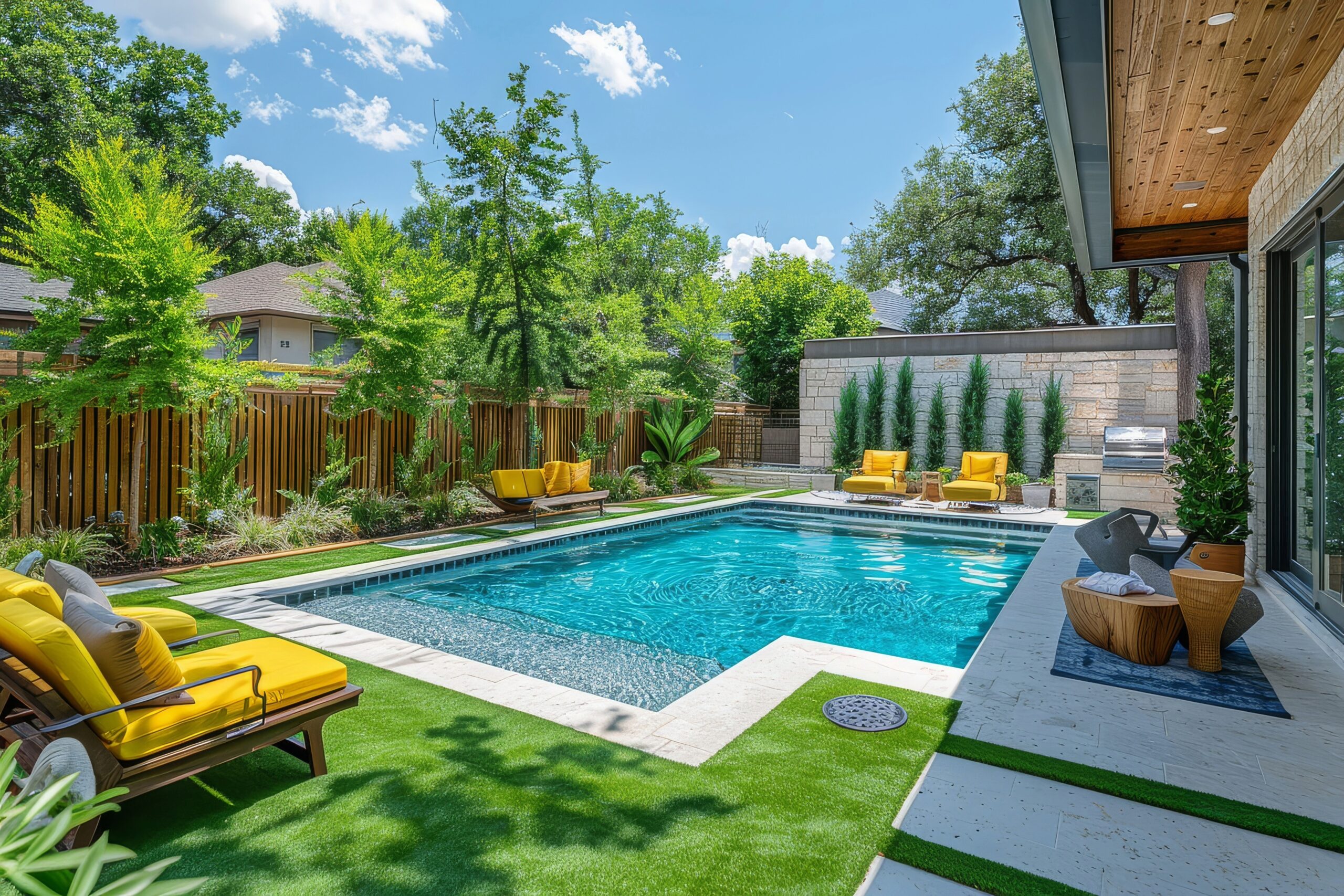
Florida Swimming Pool Construction Report – November 2025

New swimming pool construction across Florida demonstrated steady activity last month, with notable regional variations in both permit volume and project valuation. Drawing on HBW’s latest construction data, this report provides a comprehensive snapshot of new residential pool construction across the state’s five major regions: Southwest Florida, Tampa, Southeast Florida, Orlando, and Jacksonville. Metrics include total permits, total construction value, average project value, and the leading counties carrying the highest concentrations of new activity.

Southwest Florida: Statewide Leader in Permit Volume

Southwest Florida once again led the state in new swimming pool construction, issuing 502 permits in November. The region reported a total construction value of $39.24 million and an average project value of $78,173.

County‑level activity was concentrated in three primary markets:

  • Manatee County: 104 permits totaling $9,146,415
  • Sarasota County: 105 permits totaling $8,386,320
  • Lee County: 202 permits totaling $15,684,385

The southwestern region’s strong performance reflects ongoing residential development and continued demand for outdoor amenities.

Tampa Region: Higher Average Values

The Tampa area recorded 405 new pool permits with a total construction value of $34.86 million. The region posted one of the higher average project valuations (average value: $86,068) in comparison to other Florida regions reviewed.

Key counties that were driving activity included:

  • Hillsborough County: 105 permits totaling $12,524,841
  • Pinellas County: 104 permits totaling $8,954,512

The Tampa region continues to benefit from robust in‑migration, infill redevelopment, and a strong mid‑to‑upper‑tier residential market, all of which can be contributing factors to elevated project values.

Southeast Florida: High-Density Market with Moderate Valuations

Southeast Florida issued 404 permits, closely mirroring Tampa’s volume but at a lower total construction value of $29.53 million. The region’s average project value was $73,085.

Top counties for total new permits on record for the one-month period included:

  • Palm Beach County: 132 permits totaling $10,558,512
  • Miami-Dade County: 105 permits totaling $5,632,212

Orlando Region: Mid‑Range Activity with Balanced Valuations

The Orlando area reported 252 new pool permits, representing a mid‑tier level of activity among the five regions. Total construction value reached more than $18.87 million, with an average project value of $74,897.

Counties with higher concentrations of new permits on record included:

  • Orange County: 69 permits totaling $6,256,116
  • Brevard County: 53 permits totaling $3,792,721

Orlando’s pool construction market remains steady, supported by ongoing suburban expansion and continued residential development along the I‑4 corridor and coastal areas.

Jacksonville Region: Highest Average Project Value Statewide

Although Jacksonville recorded the lowest permit volume among the five regions with 164 permits, it posted the highest average project value in the state at $103,667. Total construction value reached more than $17 million, underscoring the region’s trend toward larger, higher‑end residential pool installations.

More than half of all new permits originated from the following two counties:

  • Duval County: 44 permits totaling $5,487,650
  • St. Johns County: 54 permits totaling $5,759,439

Statewide Summary

Across all five regions, Florida recorded:

  • Total Permits: 1,727
  • Total Construction Value: $139,502,543

The above listed figures reflect approximately a 9 percent month-over-month decrease in new permits, as well as an ongoing statewide demand for new swimming pool construction as homeowners continue to invest in outdoor living spaces.

Regions with the Highest and Lowest Permit Volume

Highest Permit Volume:
Southwest Florida – 502 permits
Representing approximately 29% of all new pool permits statewide.

Lowest Permit Volume:
Jacksonville – 164 permits
Accounting for roughly 9.5% of statewide activity.

Southwest Florida’s dominance in permit volume highlights its ongoing residential expansion, while Jacksonville’s lower volume but higher valuations reflect a more upscale, lower‑density market profile.

Based on the latest construction data, last month demonstrated a strong and diversified swimming pool construction market across Florida. While Southwest Florida led in sheer volume, Jacksonville distinguished itself with the highest average project values. Tampa and Southeast Florida remained competitive mid‑to‑high‑volume markets, each with distinct valuation characteristics, and Orlando maintained steady, balanced activity.

To gain more information on the builders, homeowners and permits for the construction activity above, check out HBW for your copy of the latest construction data reports. To gain access to the HBW database and receive custom and detailed reports on the latest residential and commercial building activity in Florida, Georgia, Texas, Alabama, and Oklahoma, please contact HBW for details.

Florida’s Top Home Builders by Permit Volume

November 2025 Residential Construction Data | source: HBW construction data reports

Florida’s residential construction sector closed November 2025 with continued momentum, underscoring the state’s structural demand drivers: sustained population growth, demographic migration, and long-term housing undersupply. According to construction data reports compiled by HBW, new residential construction permit activity remained broadly distributed across Florida’s five primary regions—Southwest, Tampa, Orlando, Southeast, and Jacksonville—while simultaneously revealing a clear concentration of market leadership among a handful of national and regional builders.

Today, we will be using HBW’s construction data reports to rank the top home builders in each region based on total new residential construction permits recorded during November 2025. Permit volume serves as a leading indicator of near-term construction activity, capital deployment, and builder confidence. Total construction valuation and average project value further contextualize each builder’s strategic positioning, product mix, and pricing power within its respective submarket.

Southwest Florida

Out of 310 active home builders pulling new residential permits in Southwest Florida during November, the top five builders collectively accounted for a substantial share of total market activity.

Lennar Homes led the region decisively with 330 permits, translating to nearly $60.0 million in total construction value. While the average construction value per unit ($181,770) trailed some competitors, Lennar’s volume-driven model continues to dominate entry-level and move-up segments across high-growth Southwest submarkets.

D.R. Horton followed with 166 permits and more than $41.7 million in total valuation, reflecting a higher average project value and a balanced approach between scale and price point. Pulte Homes ranked third with 139 permits, reinforcing its consistent presence in planned communities.

Notably, Neal Communities of Southwest Florida distinguished itself as a strong regional player, posting 97 permits with the highest average project value ($255,504) among the top five. This performance highlights the ongoing relevance of regionally focused builders capable of competing on design sophistication and localized market expertise. Taylor Morrison (92 permits) rounded out the top five, emphasizing attainable housing at comparatively lower per-unit valuations.

Tampa

The Tampa region, with 285 builders pulling permits in November, can be considered one of the most competitive and capital-intensive residential construction environments in the state.

Lennar Homes again emerged as the clear market leader, recording 427 permits and an impressive $161.3 million in total construction value. The average construction value of nearly $378,000 per unit reflects Tampa’s rising price floor and the builder’s expanded footprint in higher-value communities.

D.R. Horton secured second place with 184 permits, while The Villages of Lake Sumter demonstrated the impact of large-scale, age-restricted development with 118 permits at a uniform average valuation. Pulte Homes (95 permits) and Homes by West Bay (92 permits) rounded out the top five, with Homes by West Bay notably achieving the highest average construction value ($482,215) among Tampa’s leaders—an indicator of luxury-leaning product concentration and strong buyer demand at the upper end of the market.

Orlando

In the Orlando area, nearly 140 builders recorded new residential permits during November, reflecting a healthy mix of national builders and emerging competitors.

Lennar Homes led with 149 permits and more than $58.5 million in total construction value, continuing its role as a volume anchor in Central Florida. Pulte Homes followed closely with 134 permits and a total construction value in excess of $44.9 million, maintaining strong market penetration across multiple submarkets.

Meritage Homes ranked third, posting a comparatively high average construction value ($438,389), which may suggest a strategic emphasis on energy-efficient and design-forward homes. D.R. Horton (49 permits) and Stanley Martin Homes (47 permits) completed the top five, reinforcing Orlando’s appeal to builders targeting both affordability and mid-range buyers.

Southeast Florida

Southeast Florida’s November activity reflected a markedly different construction profile. While permit volumes were lower relative to other regions, average project valuations were substantially higher which is indicative of land constraints, regulatory complexity, and a premium housing mix.

Lennar Homes led the region with 84 permits, though its average project value ($214,840) landed lower than several competitors. GL Building Corporation (70 permits) stood out with the highest average construction value among the top five, exceeding $500,000 per unit—an unmistakable signal of luxury-oriented development and affluent buyer demand.

Minto Communities and D.R. Horton followed with moderate permit counts at 65 and 61 respectively, while Mattamy Homes (45 permits) rounded out the region’s leaders, reinforcing Southeast Florida’s blend of national scale and niche market execution.

Jacksonville

Jacksonville’s residential construction market continued its steady activity in November, with more than 100 builders pulling permits across the region.

Lennar Homes again claimed the top position with 82 permits, followed closely by D.R. Horton with 67 permits. Meritage Homes (60 permits) secured third place with a lower total valuation (average value: $141,921), reflecting an emphasis on attainable housing options. Mattamy Homes (33 permits) and Dream Finders Construction (32 permits) completed the top five, both reflecting Jacksonville’s continued appeal as a value-driven alternative to Florida’s more expensive metros.

A defining takeaway from last month’s data is the unmistakable dominance of a small group of national builders operating at scale across multiple Florida regions. Lennar Homes led permit volume in all five major regions analyzed, underscoring its unmatched geographic reach, operational efficiency, and ability to adapt product lines to diverse market conditions. D.R. Horton also demonstrated broad statewide leadership, ranking within the top five in every region and frequently occupying the second position. Pulte Homes similarly maintained a strong multi-regional presence, particularly in Southwest Florida, Tampa, and Orlando.

In contrast, several builders—such as Neal Communities, Homes by West Bay, GL Building Corporation, and Dream Finders Construction—excelled through regional specialization, leveraging localized knowledge and targeted product strategies to compete effectively against national counterparts.

As we are now in the final stretch of the year, permit activity continues to signal confidence among builders and developers, positioning the Sunshine State for continued residential growth as it moves into 2026.

To gain more information on the builders, homeowners and permits for the construction activity above, check out HBW for your copy of the latest construction data reports. To gain access to the HBW database and receive custom and detailed reports on the latest residential and commercial building activity in Florida, Georgia, Texas, Alabama, and Oklahoma, please contact HBW for details.

Top Home Builders in Texas: November 2025

Earlier this week, we examined new home construction activity across Texas using November 2025 residential construction permit data compiled by HBW. In the report, we identified 4,919 new residential permits on record across the state’s four major metro areas—Houston, Dallas, Austin, and San Antonio—representing more than $1.6 billion in total projected construction value.

Building on that foundation, this report takes a closer look at the builders driving that activity. Using the same HBW construction data reports, we have identified the leading home builders in each metro area, ranking firms based on total number of residential permits issued during the month. For the purposes of this analysis, “top” or “leading” builders are defined strictly by permit volume, offering a clear, data-driven view of market share and construction momentum.

Houston

Out of approximately 310 home builders with new residential permits on record in the Houston area during November, the following firms ranked as the top five by total permit volume:

Lennar Homes led the Houston market by a wide margin, posting 350 permits with a total projected value exceeding $85.1 million. This level of activity underscores Lennar’s scale-driven production model and strong absorption across master-planned communities.

Perry Homes followed with 129 permits and an average home value above $305,000, signaling a focus on higher-priced builds within the metro. D.R. Horton ranked third with 94 permits, maintaining its consistent presence as a volume-oriented national builder.

Chesmar Homes (76 permits) and Taylor Morrison Homes (64 permits) rounded out the top five, both demonstrating steady production with average values clustered in the mid-$250,000 range—indicative of strong demand in Houston’s move-up and entry-level segments.

Dallas

In the Dallas area, where more than 265 builders pulled residential permits during the month, permit activity was similarly concentrated among a handful of high-volume operators.

Lennar again ranked first with 246 permits and more than $74.5 million in projected construction value. Trophy Signature Homes secured the second position with 140 permits and an average valuation exceeding $310,000.

D.R. Horton placed third with 124 permits, reinforcing its statewide footprint. The fourth-ranked entry is listed as “Permit Office Will Not Provide”, accounting for 106 permits and $27.56 million in total value.

Regarding this designation:
In some jurisdictions, permit offices may withhold or anonymize contractor names due to data privacy policies, administrative limitations, or incomplete filings at the time of reporting. While the builder identity is not disclosed, the permit volume and valuation data remain valid and highly useful. For contractors, developers, and suppliers, this information still provides meaningful insight into market demand, competitive intensity, and construction velocity, even when a specific firm name is unavailable.

Treehouse Builders completed the Dallas top five with 78 permits, operating at a lower average valuation point, which is expected with their focus on smaller homes and unique product.

Austin

Austin’s residential construction market remains more concentrated, with just over 65 builders pulling permits in November. Within that environment, competition among leading firms is notably tight.

Lennar again took the top position with 51 permits, closely followed by KB Homes at 45 permits. Pulte Homes ranked third with 41 permits, posting one of the stronger average valuations (average value: $292,675) among Austin’s high-volume builders.

LCB Construction matched Pulte in permit count but at a lower average value of $213,454, while Ashton Woods Homes stood out with the highest average home value in the Austin top five, exceeding $400,000 per permit—a clear indicator of exposure to higher-end product and premium submarkets.

San Antonio

In San Antonio, where 65 builders recorded new residential permits, Lennar once again led the field with 75 permits and nearly $16 million in total value.

KB Homes secured the second position with 32 permits, followed by Starlight Homes (17 permits) in third. AHV Vertical (16 permits) ranked fourth, notable for an average valuation approaching $300,000, suggesting more vertically integrated or higher-complexity projects. Perry Homes (14 permits) completed the top five, reinforcing its presence across multiple Texas metros.

A key takeaway from last month’s data is the dominance of builders with multi-market reach. Lennar appears in the top five across all four metro areas, consistently ranking first in each. KB Homes, Perry Homes, and D.R. Horton also demonstrate significant cross-market penetration, underscoring the competitive advantage of scale, standardized construction processes, and strong land pipelines.

From a valuation perspective, average permit values vary meaningfully by metro and builder, reflecting differences in land costs, product mix, and buyer demographics. Recognizing the given patterns provides valuable signals for subcontractors, material suppliers, and service providers evaluating where demand is strongest and which builders are driving it.

To gain more information on the builders, homeowners and permits for the construction activity above, check out HBW for your copy of the latest construction data reports. To gain access to the HBW database and receive custom and detailed reports on the latest residential and commercial building activity in Florida, Georgia, Texas, Alabama, and Oklahoma, please contact HBW for details.
Texas Residential Construction Activity – November 2025

Based on HBW Building Permit Data for Major Metro Areas

The residential construction sector in Texas demonstrated steady momentum in November 2025, with permit activity across the state’s four largest metro areas (Houston, Dallas, Austin, and San Antonio) reflecting continued population growth, robust housing demand, and ongoing investment in single-family development. All insights below are derived exclusively from HBW’s construction data reports, which capture building permits recorded for the one-month period.

Across the four metropolitan areas of Houston, Dallas, Austin and San Antonio, Texas posted 4,919 new residential construction permits, representing more than $1.6 billion in total projected value; this reflects close to a 15% month-over-month increase in new home construction. Here is a closer look at the recent activity by metro area for the one-month period:

Houston Metro Area

Houston once again led the state in total housing starts, continuing its long-standing position as the most active residential construction market in Texas.

Key Figures

  • Total Permits: 2,141
  • Total Construction Value: $635,803,159
  • Average Value: $296,966

Houston represented roughly 44% of all new residential permits statewide for the month.

Leading Counties

  • Harris County: 1,014 permits | $325,258,524 in value
    Harris remains the primary driver of Houston’s residential activity, supported by extensive master-planned communities and ongoing suburban expansion.
  • Montgomery County: 541 permits | $135,950,000 in value

Houston’s strong performance aligns with its diversified economic base and continued attractiveness to first-time and move-up buyers. Average values remain comparatively moderate, reflecting large-scale production building and available land for development.

Dallas Metro Area

Dallas reported the second-highest volume of new residential construction, with higher average project valuations than other metro areas reviewed, driven by significant activity in high-growth suburban counties.

Key Figures

  • Total Permits: 1,964
  • Total Construction Value: $727,550,518
  • Average Value: $370,443

Dallas accounted for approximately 40% of statewide permit activity in November.

Leading Counties

  • Tarrant County: 661 permits | $229,325,464 in value
  • Collin County: 549 permits | $212,265,803 in value

The Dallas market continues to skew toward higher-value construction due to elevated land costs, demand for larger single-family homes, and infrastructure expansion in counties north and west of the urban core. Collin and Tarrant counties remain among the most competitive and fastest-growing residential markets in the state.

Austin Metro Area

Although smaller in overall volume, Austin maintained strong average project valuations consistent with its luxury-leaning and high-cost development environment.

Key Figures

  • Total Permits: 519
  • Total Construction Value: $168,114,483
  • Average Value: $323,920

Leading Counties

  • Travis County: 243 permits | $72,971,983 in value
  • Williamson County: 193 permits | $61,543,900 in value

While the Austin area reflects a relatively lower permit volume, the area continues to maintain one of the highest average construction values in the state, with demand from high-income buyers and continued inward migration from other states.

San Antonio Metro Area

San Antonio posted more modest permit activity compared to the other major metros reviewed but remains a stable, steadily advancing market with strong demand fundamentals.

Key Figures

  • Total Permits: 295
  • Total Construction Value: $75,734,952
  • Average Value: $256,729

Leading County

  • Bexar County: 189 permits | $48,480,752 in value

Based on the latest data, Bexar clearly remains the dominant county within the San Antonio metro. With its comparatively lower median home prices and diverse housing stock, San Antonio continues to attract both entry-level buyers and those seeking affordability within the central Texas region.

Statewide Totals (All Four Metros Combined)

Permit and Value Roll-Up

CategoryStatewide Total
Total Permits4,919
Total Construction Value$1,607,203,112
Weighted Average Value (All Metros)approx. $326,800

(Total value is the sum of all metro values: Houston + Dallas + Austin + San Antonio.)

Residential construction activity across the major metros of Texas last month reflects an industry operating with resilience despite broader economic uncertainty. Growth remains fueled by a combination of persistent population increases and sustained demand for new single-family housing. Master-planned communities that are larger in scale continue to play a role in the development landscape, supported by ongoing investment in rapidly expanding suburban and exurban counties. At the same time, average construction values remain stable for the most part and some are even edging upward—particularly in markets such as Austin and Dallas—reinforcing overall confidence in the sector. Taken together, the month’s permit volume and construction valuations point to a housing market that is active, diversified, and responsive to evolving demographic pressures, with builders steadily scaling production to meet demand across both affordable and higher-value segments.

To gain more information on the builders, homeowners and permits for the construction activity above, check out HBW for your copy of the latest construction data reports. To gain access to the HBW database and receive custom and detailed reports on the latest residential and commercial building activity in Florida, Georgia, Texas, Alabama, and Oklahoma, please contact HBW for details.

Florida Residential Construction Review — November 2025

Based exclusively on HBW building permit data

Residential construction activity across Florida remained steady during the month of November, according to the latest HBW construction data reports. As always, it is important to underscore that these figures reflect only the number of new residential construction permits that were pulled and added to the HBW database for the month. Permit activity does not account for projects not yet filed, construction already in progress, or broader economic conditions outside the scope of recorded permits.

The construction data reports reviewed reflect permit activity across five key regions: Tampa, Southwest Florida, Orlando, Jacksonville, and Southeast Florida. Together, these areas provide a comprehensive view of statewide residential construction trends for the month.

Based on combined activity across all five regions, Florida’s monthly stats are as follows:

  • Total Residential Permits (Statewide): 6,033 permits
  • Total Residential Construction Value (Statewide): $2.15+ billion
  • Average Permit Value (Statewide): Florida’s average varies by region, but the largest single-permit valuations appeared in the Southeast and Orlando markets.

The latest figures indicate sustained demand for new residential construction, particularly in high-growth corridors along the Gulf Coast and Central Florida. Here is a closer look at the regional breakdown:

Tampa

Total Permits: 2,073
Total Construction Value: $702,527,126
Average Value: $338,894

The Tampa market led the state in total permit volume for November. Hillsborough, Pasco, and Polk counties continued to drive the region’s residential activity:

  • Hillsborough County: 446 permits | $170,294,042
  • Pasco County: 543 permits | $228,017,293
  • Polk County: 407 permits | $145,859,694

Pasco County posted the highest monthly permit volume within the region, while Hillsborough and Polk maintained strong, consistent activity typical of a high-growth metropolitan area.

Southwest Florida

Total Permits: 1,732
Total Construction Value: $635,639,369
Average Value: $366,997

Southwest Florida reported the second-highest total permit volume statewide. Activity was heavily concentrated in two counties:

  • Manatee County: 778 permits | $199,199,874
  • Lee County: 510 permits | $148,371,278

High average permit valuations and sustained volumes reflect strong demand across the Gulf Coast, driven by continued population migration and residential investment.

Orlando

Total Permits: 931
Total Construction Value: $361,878,614
Average Value: $388,699

The Orlando region posted steady, moderate permit activity with notably high average construction values. November’s leading counties include:

  • Lake County: 263 permits | $70,568,416
  • Brevard County: 256 permits | $108,741,920

Brevard’s permit values in particular helped strengthen the region’s overall monthly valuation, supported by ongoing development along the Space Coast and suburban expansion westward.

Jacksonville

Total Permits: 662
Total Construction Value: $184,824,424
Average Value: $279,191

Northeast Florida maintained solid mid-range activity across its two most active counties:

  • Duval County: 286 permits | $52,675,130
  • St. Johns County: 141 permits | $44,322,925

The average value of construction remains lowest in the Jacksonville area in comparison to other regions reviewed, and St. Johns County continues to report some higher-value residential permits within the region, consistent with its reputation for premium master-planned communities and rapid residential growth.

Southeast

Total Permits: 635
Total Construction Value: $271,374,775
Average Value: $427,362

Although the Southeast recorded the lowest number of new permits among the five regions, it posted the highest average permit value statewide, reflecting the region’s established luxury and high-density coastal markets.

Top-performing counties include:

  • St. Lucie County: 223 permits | $77,289,364
  • Palm Beach County: 184 permits | $91,258,878

High-value land markets and elevated construction costs continue to shape residential development across Southeast Florida.

Florida’s residential construction landscape in November 2025 demonstrates a stable and active permitting environment, with higher concentrations of new permits in the Tampa and Southwest regions, while Southeast Florida delivers the highest project valuations. As a reminder, all insights in this report are based solely on residential building permits pulled and recorded in the HBW database. Permit activity remains a leading indicator for upcoming construction trends, offering a real-time view of demand across Florida’s most active housing markets.

To gain more information on the builders, homeowners and permits for the construction activity above, check out HBW for your copy of the latest construction data reports. To gain access to the HBW database and receive custom and detailed reports on the latest residential and commercial building activity in Florida, Georgia, Texas, Alabama, and Oklahoma, please contact HBW for details.

Marketing Strategies for Contractors: Kickstarting 2026 with Momentum

As the holiday season is in full gear, contractors and construction professionals find themselves at a pivotal moment. December is not simply the end of the calendar year; it is an opportunity to reflect on past marketing efforts and prepare for the year ahead. In 2026, the marketing landscape continues to evolve, shaped by digital-first strategies, sustainability-driven messaging, and heightened client expectations. For home builders, remodelers, and residential contractors, this is the time to refine approaches, strengthen client relationships, and lay the groundwork for growth.

Perform a Marketing Audit

The first step in building momentum is to conduct a thorough marketing audit. Contractors should examine the performance of their campaigns with a critical eye; this means analyzing website traffic, lead conversion rates, and social media engagement. By identifying which initiatives generated the most value in the last year, professionals can replicate and enhance those successes in the coming year. For example, a builder who notices that short-form video content showcasing kitchen remodels consistently outperforms static images should prioritize video production in 2026. Leveraging AI-powered analytics tools can also provide predictive insights into client behavior, helping contractors anticipate seasonal demand and allocate resources more effectively.

Check Your Website

Equally important is the modernization of your website. In today’s digital marketplace, a contractor’s website functions as a showroom of sorts, and for this reason, it must meet the standards of speed, accessibility, and credibility. Beyond updating project galleries and testimonials, contractors should consider integrating interactive features such as 3D walkthroughs or drone footage. Mobile-first design is essential, as most homeowners understandably begin their search for contractors on smartphones. Highlighting sustainability certifications or energy-efficient practices can further differentiate your brand, appealing to the growing segment of eco-conscious clients. A home builder, for instance, might showcase a virtual tour of a newly completed smart home, emphasizing solar integration and advanced HVAC systems.

Tell Your Story

Storytelling through portfolio updates is another powerful tool. Clients want more than polished images; they want to understand the journey from groundbreaking to completion and see authentic proof of your work. Documenting projects with before-and-after visuals and pairing them with client testimonials creates a compelling narrative that underscores expertise and reliability. A contractor specializing in outdoor living spaces could present a case study detailing how a backyard renovation enhanced both aesthetics and property value, reinforcing the tangible benefits of their work.

Connect with Clients

The end of the year also presents an ideal moment to launch a client appreciation campaign. Expressing gratitude through personalized notes, digital cards, or exclusive offers for returning clients fosters loyalty and encourages referrals. Some contractors even host appreciation events at completed project sites, inviting past clients to experience the craftsmanship firsthand. Such gestures not only strengthen relationships but also position the contractor as a trusted partner in the community.

Build Content

Video content is expected to remain a cornerstone of marketing in 2026. Platforms such as TikTok, Instagram Reels, and YouTube Shorts dominate consumer attention, and contractors who embrace these formats can significantly expand their reach. Short clips of ongoing projects, behind-the-scenes footage, or client interviews provide real-world glimpses into the construction process. A residential contractor might post a thirty-second transformation video of a kitchen remodel, overlaying key details such as “Quartz countertops installed in 48 hours,” to highlight efficiency and quality.

Boost SEO

Local SEO continues to be vital for contractors, particularly as voice search becomes more prevalent. Updating Google Business Profiles with accurate information, encouraging satisfied clients to leave reviews, and incorporating voice-friendly keywords such as “best home builder near me” can dramatically improve visibility. A roofing contractor in Orlando, for example, could publish content tailored to regional needs, such as “Best Roofing Materials for Florida Homes in 2026,” ensuring relevance to both local and voice search queries.

Secure a Source

Contractors should ensure they have reliable sources for new leads. In the new year, it is vital to have dependable client pipelines. As HBW subscribers already know, HBW provides unparalleled access to building permit data and related owner information. The database is updated regularly and generates customizable reports, making them indispensable for contractors that want to stay ahead of the competition.

Expand Your Network

Finally, networking and community engagement remain a core part of any marketing strategy. By attending trade shows, builder expos, and local events, contractors will have ample opportunities to showcase expertise, distribute branded materials, and forge new partnerships. Collaborations with real estate agents or interior designers can open doors to cross-promotional opportunities, while sponsoring community events reinforces brand visibility. Sharing photos and updates from these activities on professional platforms like LinkedIn demonstrates active involvement and enhances credibility.

The new year will require a balance of digital sophistication and authentic human connection. Contractors who embrace data-driven insights, modernize their digital presence, and remain visible both online and offline will be best positioned for growth. By laying the groundwork now, construction professionals can ensure that the new year begins with strength and sustains momentum throughout 2026.

For more information on construction business marketing tips, stay connected with the HBW Blog.  To get ahead of construction activity and gain access to the latest permitting data in Florida, Texas, Georgia, Alabama and Oklahoma, contact HBW for more information on construction data reports and industry leads.

Leading Home Builders in Texas: October 2025

Last week, we examined Texas home construction through the lens of permit activity, highlighting the sheer scale of residential development across the state. In October 2025 alone, 4,341 new residential construction permits were added to the HBW database for Texas, representing a total construction value of $1.49 billion. This week, we turn our attention to the builders themselves—those contractors and companies driving the market forward in the state’s four major metropolitan areas of Dallas, Houston, Austin, and San Antonio.

By analyzing permit volume, construction values, and average project sizes, we gain insight into both statewide leaders and regionally dominant firms. While some builders maintain a strong presence across multiple metros, others demonstrate a more localized strategy, excelling within specific markets. Here is a an overview by metro:

Dallas

Dallas recorded 1,517 new residential permits in October, spread across 165 builders. The top five builders by permit volume were:

The presence of an unnamed builder in the third position raises questions. Permit offices occasionally withhold builder information due to confidentiality agreements, incomplete filings, or administrative restrictions. In some cases, the builder may operate under multiple entities or subsidiaries, complicating attribution. Regardless, the volume of permits suggests a significant market player whose identity remains obscured in public records.

Notably, Trophy Signature Homes reported the highest average value per project ($380,910) out of the top five, indicating a focus on higher-end residential construction compared to Treehouse Builders, whose average value was considerably lower ($172,297) due to the nature of their projects.

Houston

Houston continues to dominate Texas residential construction, with 2,065 permits issued in October across more than 345 builders. The top five builders for the one-month period were:

Lennar Homes held a commanding lead in Houston, underscoring its expansive footprint, with more than triple the permits of its nearest competitor. David Weekley Homes, while ranking fourth in volume, achieved a notably high average value ($310,559) out of the top five, reflecting its positioning in the mid-to-upper tier of the market.

Austin

Austin’s 391 permits were distributed among just over 70 builders, with the following firms leading:

Austin stands out for its elevated average construction values among leading home builders. Both Meritage Homes and Taylor Morrison Homes reported averages exceeding $460,000, signaling a concentration of higher-value projects. This aligns with Austin’s reputation for premium housing markets driven by strong demand from technology professionals and affluent buyers, even though in recent reports it has been describe as becoming more of a buyer’s market after years of growth.

San Antonio

San Antonio recorded 368 permits across nearly 70 builders during the month of October. The top five home builders for the one-month period were as follows:

Out of the top five, Chesmar Homes distinguished itself with the highest average value ($431,507), reflecting a focus on larger or more upscale projects. By contrast, KB Homes and Lennar Homes maintained high permit volumes but at lower average values, suggesting a strategy centered on affordability and entry-level housing.

Statewide Trends and Market Insights

Several builders—most notably Lennar Homes, D.R. Horton, and Meritage Homes—appear consistently across all four metros, underscoring their statewide dominance and diversified market strategies. Their ability to balance volume with varying average project values allows them to capture both entry-level and mid-market segments. Conversely, firms such as Trophy Signature Homes (Dallas), David Weekley Homes (Houston), Taylor Morrison Homes (Austin), and Chesmar Homes (San Antonio) demonstrate strong regional specialization. Their presence in the top five within specific metros highlights potentially targeted strategies that capitalize on local demand dynamics.

While national giants like Lennar Homes and D.R. Horton continue to dominate across multiple regions, regional specialists are carving out significant niches by aligning with local market conditions. The interplay between volume and average project value provides a layered view of builder strategies, offering valuable insight into the evolving dynamics of the Texas market.

To gain more information on the builders, homeowners and permits for the construction activity above, check out HBW for your copy of the latest construction data reports. To gain access to the HBW database and receive custom and detailed reports on the latest residential and commercial building activity in Florida, Georgia, Texas, Alabama, and Oklahoma, please contact HBW for details.

Texas Swimming Pool Construction Snapshot – October 2025

The latest HBW construction data reports provide a comprehensive view of new swimming pool construction activity across the four major metropolitan areas of Texas (Dallas, Houston, Austin, and San Antonio) for October 2025. HBW, a trusted provider of building permit data for construction professionals, offers valuable insights into market trends, regional performance, and permit activity that shape the residential pool construction sector. Here is a quick overview of the latest on record for new pool construction in the Lone Star State:

Dallas

  • Total Permits: 175
  • Total Construction Value: $14,350,344
  • Average Value per Pool: $82,002
  • Key Counties: Tarrant County (55 permits), Collin County (50 permits)

Dallas demonstrated moderate activity in October, with more than half of all permits concentrated in Tarrant and Collin counties. The average construction value of $82,002 reflects a healthy mid-range market, with demand spread across suburban growth corridors.

Houston

  • Total Permits: 179
  • Total Construction Value: $17,298,160
  • Average Value per Pool: $96,638
  • Key County: Harris County (131 permits)

Houston led the state in both permit volume and construction value. Harris County dominated activity, accounting for nearly three-quarters of all new pool construction in the region. The higher average value of $96,638 suggests strong demand for premium residential pool projects.

Austin

  • Total Permits: 72
  • Total Construction Value: $4,319,854
  • Average Value per Pool: $59,998
  • Key County: Travis County (54 permits)

Austin’s pool construction market remained somewhat steady, with Travis County driving the majority of activity. The average value of $59,998 indicates a more modest investment level compared to Dallas and Houston, aligning with Austin’s diverse housing market and competitive construction environment.

San Antonio

  • Total Permits: 56
  • Total Construction Value: $3,137,675
  • Average Value per Pool: $56,030
  • Key County: Bexar County (37 permits)

San Antonio recorded the lowest volume among the four metros, with nearly all activity concentrated in Bexar County. The average value of $56,030 reflects a cost-conscious market, consistent with regional housing affordability trends.

Statewide Overview

October 2025 Totals:

  • Permits: 482
  • Total Construction Value: $39,105,033
  • Average Value per Pool (Statewide): ≈ $81,150

Compared to September 2025, when HBW reported 653 new permits statewide, October reflected a 26% month-over-month decline in permit volume. September itself had marked an 18% increase over August, highlighting the seasonal fluctuations typical in residential pool construction. October’s slowdown suggests a cooling period following the late-summer surge, though overall values remain strong across major metros.

Market Overview

  • Regional Leaders: Houston continues to lead in both volume and value, driven by Harris County’s dominance.
  • Value Trends: Dallas and Houston maintain higher average construction values, signaling robust demand for upscale pool projects.
  • Seasonal Impact: The decline from September to October underscores the cyclical nature of pool construction, with activity peaking in warmer months and tapering as cooler weather approaches.
  • County Concentration: Across all metros, a single county or pair of counties consistently account for the majority of permits, reflecting concentrated demand in core residential growth areas.

HBW’s database continues to provide construction professionals with actionable insights into regional demand, market positioning, and seasonal trends shaping the industry. To gain more information on the builders, homeowners and permits for the construction activity above, check out HBW for your copy of the latest construction data reports. To gain access to the HBW database and receive custom and detailed reports on the latest residential and commercial building activity in Florida, Georgia, Texas, Alabama, and Oklahoma, please contact HBW for details.
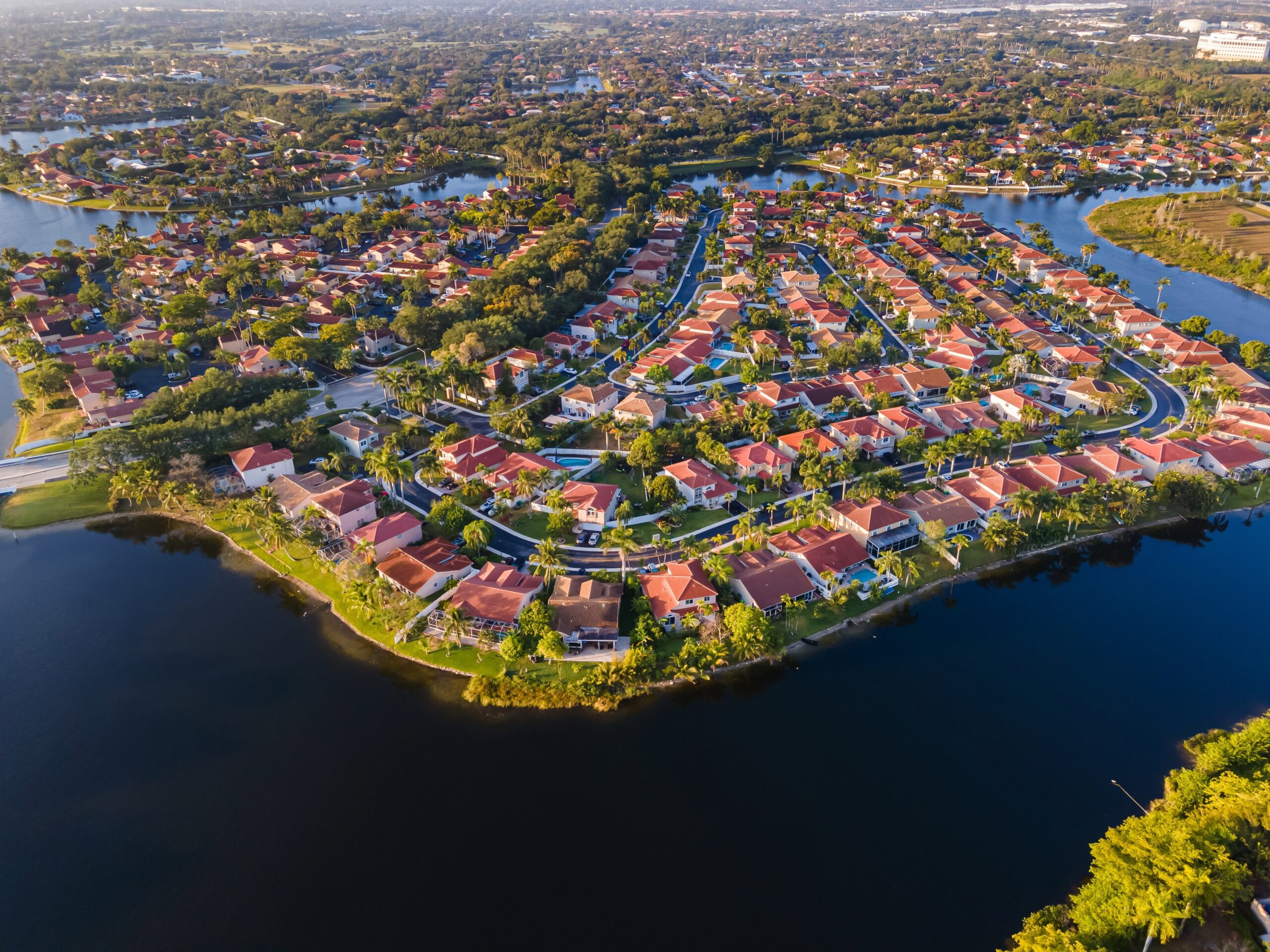
Texas New Residential Construction – October 2025

According to the latest HBW residential construction permit data for Texas, last month (October) reflected a month-over-month dip in new housing development across the major metropolitan areas of Texas. While monthly figures provide only a snapshot of the market, the data highlights the continued activity in the state’s residential sector, with notable concentrations of new construction in Houston and Dallas.

Statewide Overview

  • Total Permits Issued: 4,341
  • Total Construction Value: $1.49 billion

Metro Area Breakdown

Houston

  • Total Permits: 2,065
  • Total Construction Value: $646.4 million
  • Average Value per Permit: $313,045
  • Top Counties:
  • Harris County – 873 permits, $301.4 million in value
  • Montgomery County – 685 permits, $185.6 million in value

Houston continues to dominate in terms of volume, accounting for nearly half of all permits issued in October. The concentration in Harris and Montgomery counties reflects both urban infill and suburban expansion, with average construction values suggesting a balanced mix of mid-range and higher-end projects.

Dallas

  • Total Permits: 1,517
  • Total Construction Value: $598.9 million
  • Average Value per Permit: $394,805
  • Top Counties:
  • Tarrant County – 479 permits, $185.1 million in value
  • Collin County – 520 permits, $212.9 million in value

Dallas registered the second-highest volume of activity, with average construction values exceeding those in Houston. Collin County’s strong performance underscores the ongoing demand for residential development in the northern suburban corridor, while Tarrant County remains a central hub for new housing starts.

Austin

  • Total Permits: 391
  • Total Construction Value: $135.6 million
  • Average Value per Permit: $346,925
  • Top Counties:
  • Travis County – 184 permits, $56.4 million in value
  • Williamson County – 125 permits, $51.9 million in value

Austin’s figures landed on the lower end of the scale in terms of volume in comparison to other areas reviewed. The balance between Travis and Williamson counties illustrates the dual dynamic of urban redevelopment and suburban expansion, with average values suggesting a strong presence of mid- to upper-tier residential projects.

San Antonio

  • Total Permits: 368
  • Total Construction Value: $106.6 million
  • Average Value per Permit: $289,760
  • Top County:
  • Bexar County – 215 permits, $57.6 million in value

San Antonio’s activity was concentrated primarily in Bexar County, with average construction values below the statewide mean. This reflects a market characterized by affordability and accessibility, appealing to both first-time buyers and families seeking cost-effective housing solutions.

The latest data for October highlights several defining themes… Houston and Dallas continue their roles as the primary growth engines, together accounting for more than 80 percent of the statewide permit volume and underscoring their dominance in both scale and overall construction value. At the same time, counties such as Harris, Montgomery, and Collin continued to absorb substantial demand. Dallas distinguished itself with the highest average construction value, signaling a preference for larger or more customized projects, while San Antonio maintained a more cost-conscious profile that aligns with its affordability-driven market. Despite their smaller scale, Austin and San Antonio contributed meaningfully to statewide totals, reinforcing the diversified nature of residential construction across the Lone Star State.

It is important to note that monthly data offers only a limited perspective. For a comprehensive understanding of market trends (cyclical fluctuations, long-term demand drivers, and regional shifts), HBW’s quarterly and annual reports provide deeper insights into residential construction in Texas, and other regions.

To gain more information on the builders, homeowners and permits for the construction activity above, check out HBW for your copy of the latest construction data reports. To gain access to the HBW database and receive custom and detailed reports on the latest residential and commercial building activity in Florida, Georgia, Texas, Alabama, and Oklahoma, please contact HBW for details.
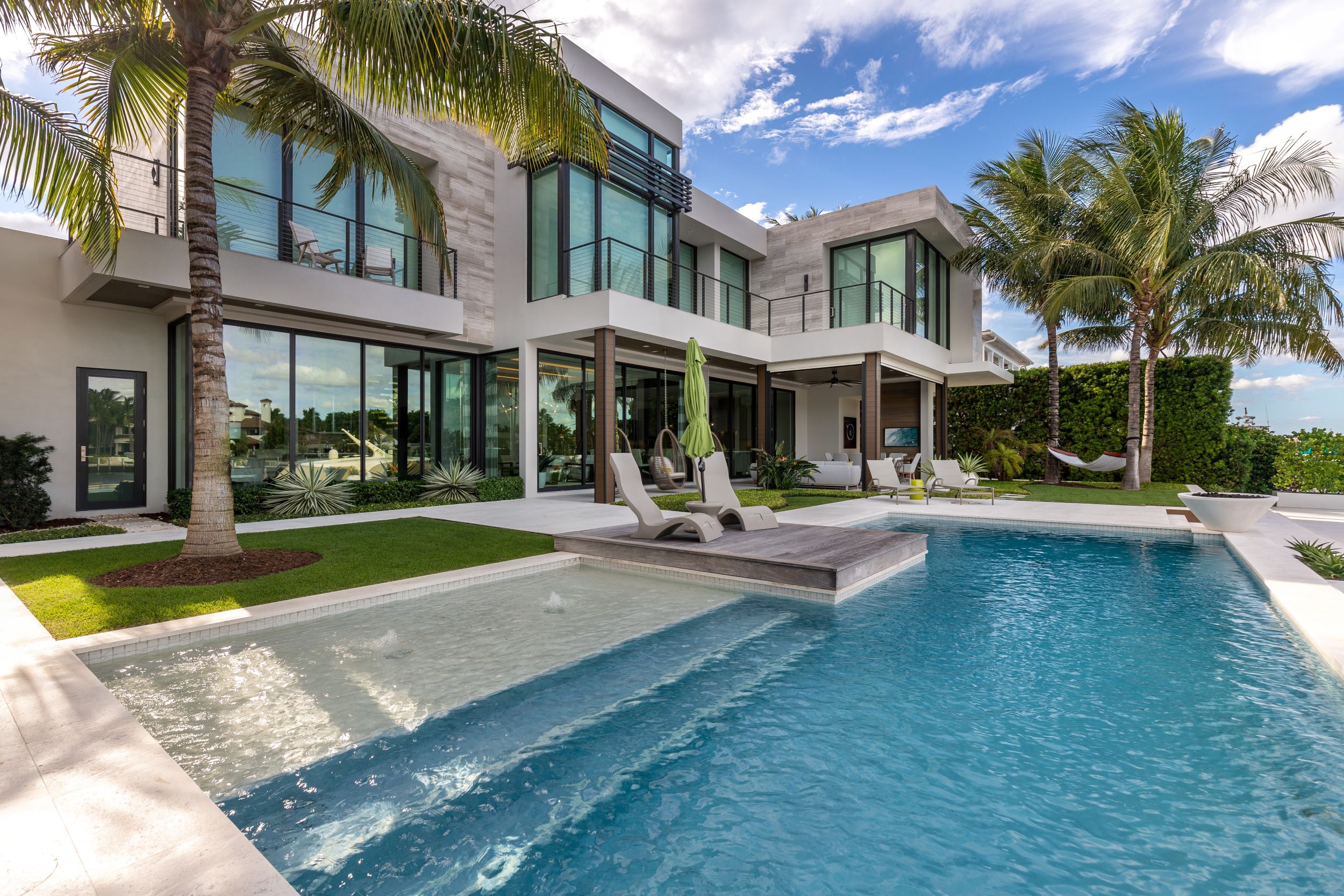
Florida’s Residential Construction Market – October 2025

Florida’s residential construction sector demonstrated steady performance in October 2025, with notable differences in permit volume, project valuation, and regional market dynamics across the state’s five principal metropolitan areas. According to HBW’s latest construction data reports, a total of 6,125 new residential construction permits were issued statewide, representing an aggregate construction value of approximately $2.01 billion. Today, we will use HBW’s reports to analyze and review regional performance metrics, highlighting key counties driving activity and offering insight into the evolving residential development landscape.

Southwest Florida:

Southwest Florida emerged as a volume leader and the most active region in terms of permit issuance, recording 2,123 new residential permits with a cumulative construction value of $608.4 million. The average construction value per permit stood at $286,572, reflecting a balanced mix of mid-range and upscale residential developments. When looking at the latest data from a county perspective, two counties stood out in terms of volume:

  • Manatee County led the region with 796 permits totaling $209.1 million.
  • Lee County followed closely, issuing 640 permits valued at $154.3 million.

Tampa:

The Tampa region reported 1,918 permits with a total construction value of $632.5 million, yielding an impressive average value of $329,778 per unit. This figure suggests a strong presence of higher-end single-family homes and custom builds. Out of the counties that make up the area, more than half of all new permits originated from the following:

  • Pasco County issued 520 permits valued at $197.3 million.
  • Polk County was nearly on par, with 562 permits totaling $196.2 million, perhaps driven by its affordability and strategic location between Tampa and Orlando.

Jacksonville:

Jacksonville’s residential construction market posted 757 permits with a total value of $204 million, translating to an average project value of $269,461. While the volume was lower relative to most other Florida regions reviewed, the area continues to benefit from steady population inflows and infrastructure investment. From a county perspective, the bulk of all new permits originated from the following:

  • Duval County accounted for 274 permits and $48.7 million in value, reflecting urban infill and redevelopment trends.
  • St. Johns County, known for its high-quality school districts and planned communities, issued 216 permits valued at $60.6 million.

Orlando:

Orlando recorded 697 permits with a total construction value of $285.3 million, resulting in a notably high average value of $409,319. This suggests a concentration of luxury and semi-custom homebuilding activity, particularly in suburban and exurban zones. Out of the six counties that make up the area, the following carried well more than half of all new home construction activity:

  • Orange County issued 183 permits totaling $75.8 million.
  • Brevard County led the region in volume with 244 permits and a valuation of $106.9 million, driven by coastal demand.

Southeast Florida:

Southeast Florida, while posting the lowest permit volume at 630, registered the highest average construction value at $437,918, with a total valuation of approximately $275.9 million. This underscores the region’s premium market positioning and scarcity of available land for development. Out of the six counties that make up the area, the following carried the bulk of new residential construction for the month:

  • St. Lucie County led in volume with 245 permits valued at $73.6 million.
  • Palm Beach County, with 167 permits totaling $89 million, continues to attract high-net-worth buyers and luxury developers.

Statewide Summary

The data for October 2025 reveals a divided market. Regions like Tampa and Southwest Florida are leading in volume, while Southeast and Orlando command higher per-unit valuations. This divergence reflects broader demographic and economic trends, including migration patterns, land availability, and consumer preferences. As Florida continues to experience population growth and housing demand, regional construction trends will remain a critical barometer for developers, investors, and policymakers working within the Sunshine State.

To gain more information on the builders, homeowners and permits for the construction activity above, check out HBW for your copy of the latest construction data reports. To gain access to the HBW database and receive custom and detailed reports on the latest residential and commercial building activity in Florida, Georgia, Texas, Alabama, and Oklahoma, please contact HBW for details.