
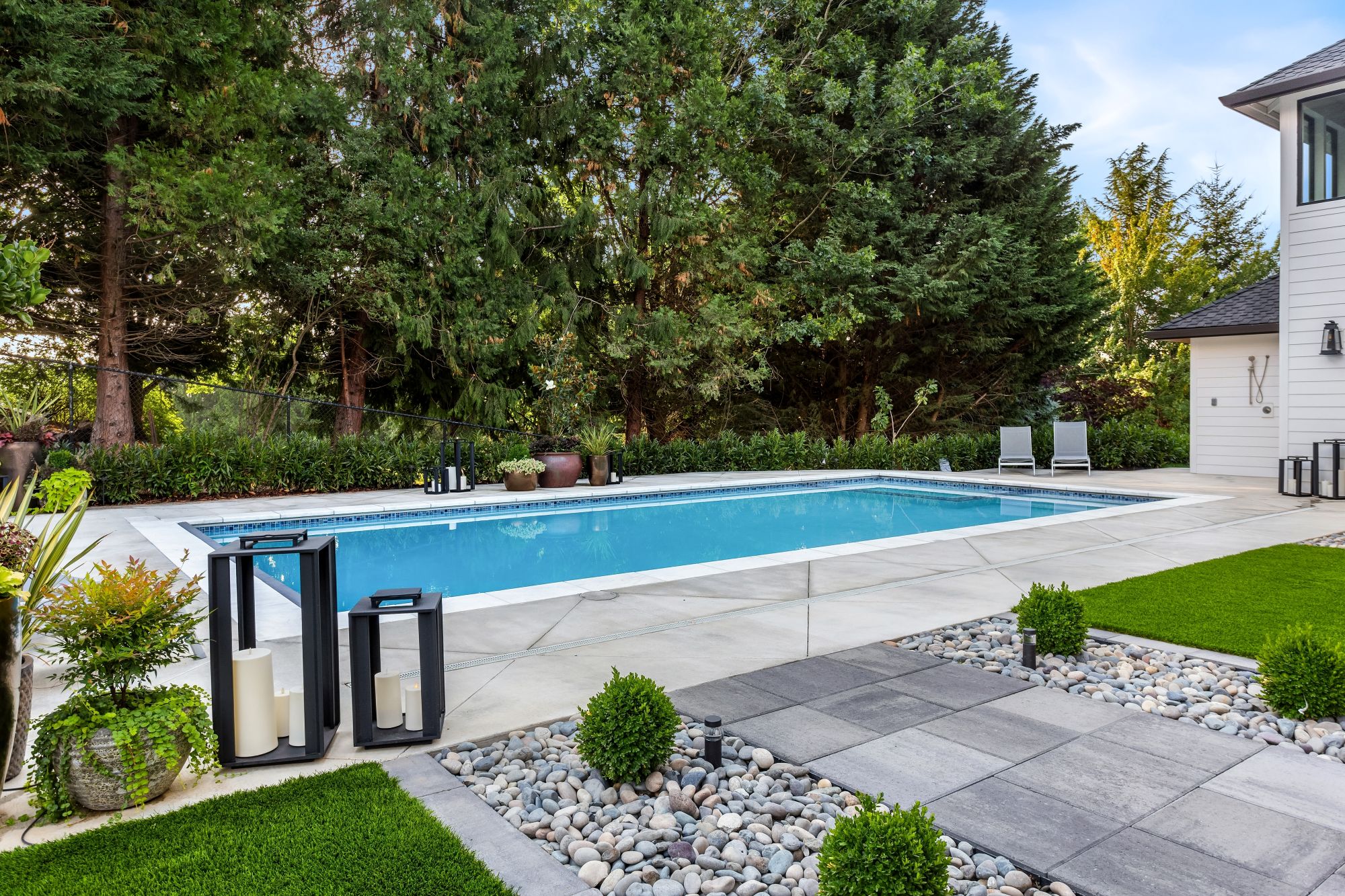
Texas Swimming Pool Construction Snapshot – October 2025

The latest HBW construction data reports provide a comprehensive view of new swimming pool construction activity across the four major metropolitan areas of Texas (Dallas, Houston, Austin, and San Antonio) for October 2025. HBW, a trusted provider of building permit data for construction professionals, offers valuable insights into market trends, regional performance, and permit activity that shape the residential pool construction sector. Here is a quick overview of the latest on record for new pool construction in the Lone Star State:

Dallas

  • Total Permits: 175
  • Total Construction Value: $14,350,344
  • Average Value per Pool: $82,002
  • Key Counties: Tarrant County (55 permits), Collin County (50 permits)

Dallas demonstrated moderate activity in October, with more than half of all permits concentrated in Tarrant and Collin counties. The average construction value of $82,002 reflects a healthy mid-range market, with demand spread across suburban growth corridors.

Houston

  • Total Permits: 179
  • Total Construction Value: $17,298,160
  • Average Value per Pool: $96,638
  • Key County: Harris County (131 permits)

Houston led the state in both permit volume and construction value. Harris County dominated activity, accounting for nearly three-quarters of all new pool construction in the region. The higher average value of $96,638 suggests strong demand for premium residential pool projects.

Austin

  • Total Permits: 72
  • Total Construction Value: $4,319,854
  • Average Value per Pool: $59,998
  • Key County: Travis County (54 permits)

Austin’s pool construction market remained somewhat steady, with Travis County driving the majority of activity. The average value of $59,998 indicates a more modest investment level compared to Dallas and Houston, aligning with Austin’s diverse housing market and competitive construction environment.

San Antonio

  • Total Permits: 56
  • Total Construction Value: $3,137,675
  • Average Value per Pool: $56,030
  • Key County: Bexar County (37 permits)

San Antonio recorded the lowest volume among the four metros, with nearly all activity concentrated in Bexar County. The average value of $56,030 reflects a cost-conscious market, consistent with regional housing affordability trends.

Statewide Overview

October 2025 Totals:

  • Permits: 482
  • Total Construction Value: $39,105,033
  • Average Value per Pool (Statewide): ≈ $81,150

Compared to September 2025, when HBW reported 653 new permits statewide, October reflected a 26% month-over-month decline in permit volume. September itself had marked an 18% increase over August, highlighting the seasonal fluctuations typical in residential pool construction. October’s slowdown suggests a cooling period following the late-summer surge, though overall values remain strong across major metros.

Market Overview

  • Regional Leaders: Houston continues to lead in both volume and value, driven by Harris County’s dominance.
  • Value Trends: Dallas and Houston maintain higher average construction values, signaling robust demand for upscale pool projects.
  • Seasonal Impact: The decline from September to October underscores the cyclical nature of pool construction, with activity peaking in warmer months and tapering as cooler weather approaches.
  • County Concentration: Across all metros, a single county or pair of counties consistently account for the majority of permits, reflecting concentrated demand in core residential growth areas.

HBW’s database continues to provide construction professionals with actionable insights into regional demand, market positioning, and seasonal trends shaping the industry. To gain more information on the builders, homeowners and permits for the construction activity above, check out HBW for your copy of the latest construction data reports. To gain access to the HBW database and receive custom and detailed reports on the latest residential and commercial building activity in Florida, Georgia, Texas, Alabama, and Oklahoma, please contact HBW for details.
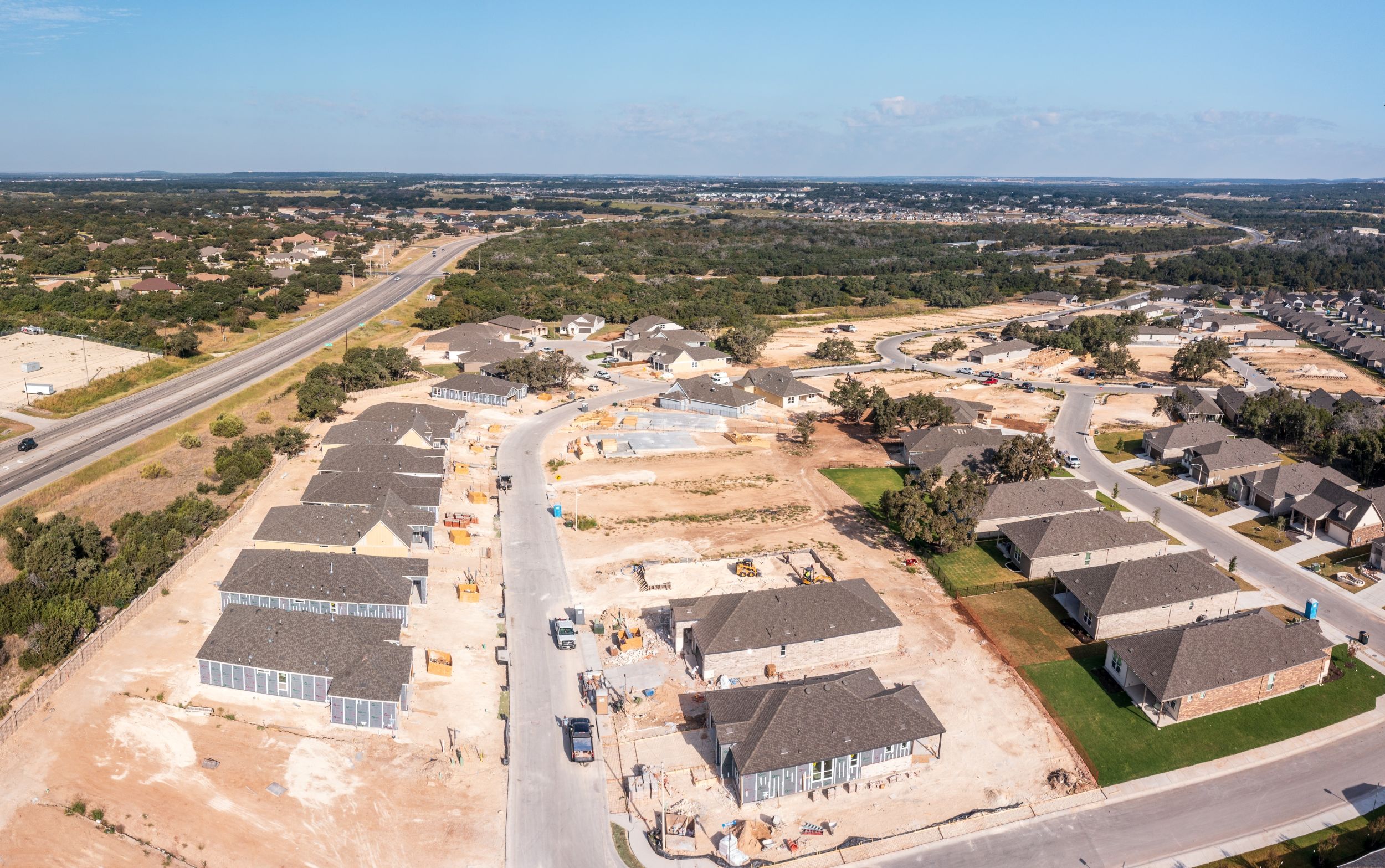
Texas New Residential Construction – October 2025

According to the latest HBW residential construction permit data for Texas, last month (October) reflected a month-over-month dip in new housing development across the major metropolitan areas of Texas. While monthly figures provide only a snapshot of the market, the data highlights the continued activity in the state’s residential sector, with notable concentrations of new construction in Houston and Dallas.

Statewide Overview

  • Total Permits Issued: 4,341
  • Total Construction Value: $1.49 billion

Metro Area Breakdown

Houston

  • Total Permits: 2,065
  • Total Construction Value: $646.4 million
  • Average Value per Permit: $313,045
  • Top Counties:
  • Harris County – 873 permits, $301.4 million in value
  • Montgomery County – 685 permits, $185.6 million in value

Houston continues to dominate in terms of volume, accounting for nearly half of all permits issued in October. The concentration in Harris and Montgomery counties reflects both urban infill and suburban expansion, with average construction values suggesting a balanced mix of mid-range and higher-end projects.

Dallas

  • Total Permits: 1,517
  • Total Construction Value: $598.9 million
  • Average Value per Permit: $394,805
  • Top Counties:
  • Tarrant County – 479 permits, $185.1 million in value
  • Collin County – 520 permits, $212.9 million in value

Dallas registered the second-highest volume of activity, with average construction values exceeding those in Houston. Collin County’s strong performance underscores the ongoing demand for residential development in the northern suburban corridor, while Tarrant County remains a central hub for new housing starts.

Austin

  • Total Permits: 391
  • Total Construction Value: $135.6 million
  • Average Value per Permit: $346,925
  • Top Counties:
  • Travis County – 184 permits, $56.4 million in value
  • Williamson County – 125 permits, $51.9 million in value

Austin’s figures landed on the lower end of the scale in terms of volume in comparison to other areas reviewed. The balance between Travis and Williamson counties illustrates the dual dynamic of urban redevelopment and suburban expansion, with average values suggesting a strong presence of mid- to upper-tier residential projects.

San Antonio

  • Total Permits: 368
  • Total Construction Value: $106.6 million
  • Average Value per Permit: $289,760
  • Top County:
  • Bexar County – 215 permits, $57.6 million in value

San Antonio’s activity was concentrated primarily in Bexar County, with average construction values below the statewide mean. This reflects a market characterized by affordability and accessibility, appealing to both first-time buyers and families seeking cost-effective housing solutions.

The latest data for October highlights several defining themes… Houston and Dallas continue their roles as the primary growth engines, together accounting for more than 80 percent of the statewide permit volume and underscoring their dominance in both scale and overall construction value. At the same time, counties such as Harris, Montgomery, and Collin continued to absorb substantial demand. Dallas distinguished itself with the highest average construction value, signaling a preference for larger or more customized projects, while San Antonio maintained a more cost-conscious profile that aligns with its affordability-driven market. Despite their smaller scale, Austin and San Antonio contributed meaningfully to statewide totals, reinforcing the diversified nature of residential construction across the Lone Star State.

It is important to note that monthly data offers only a limited perspective. For a comprehensive understanding of market trends (cyclical fluctuations, long-term demand drivers, and regional shifts), HBW’s quarterly and annual reports provide deeper insights into residential construction in Texas, and other regions.

To gain more information on the builders, homeowners and permits for the construction activity above, check out HBW for your copy of the latest construction data reports. To gain access to the HBW database and receive custom and detailed reports on the latest residential and commercial building activity in Florida, Georgia, Texas, Alabama, and Oklahoma, please contact HBW for details.
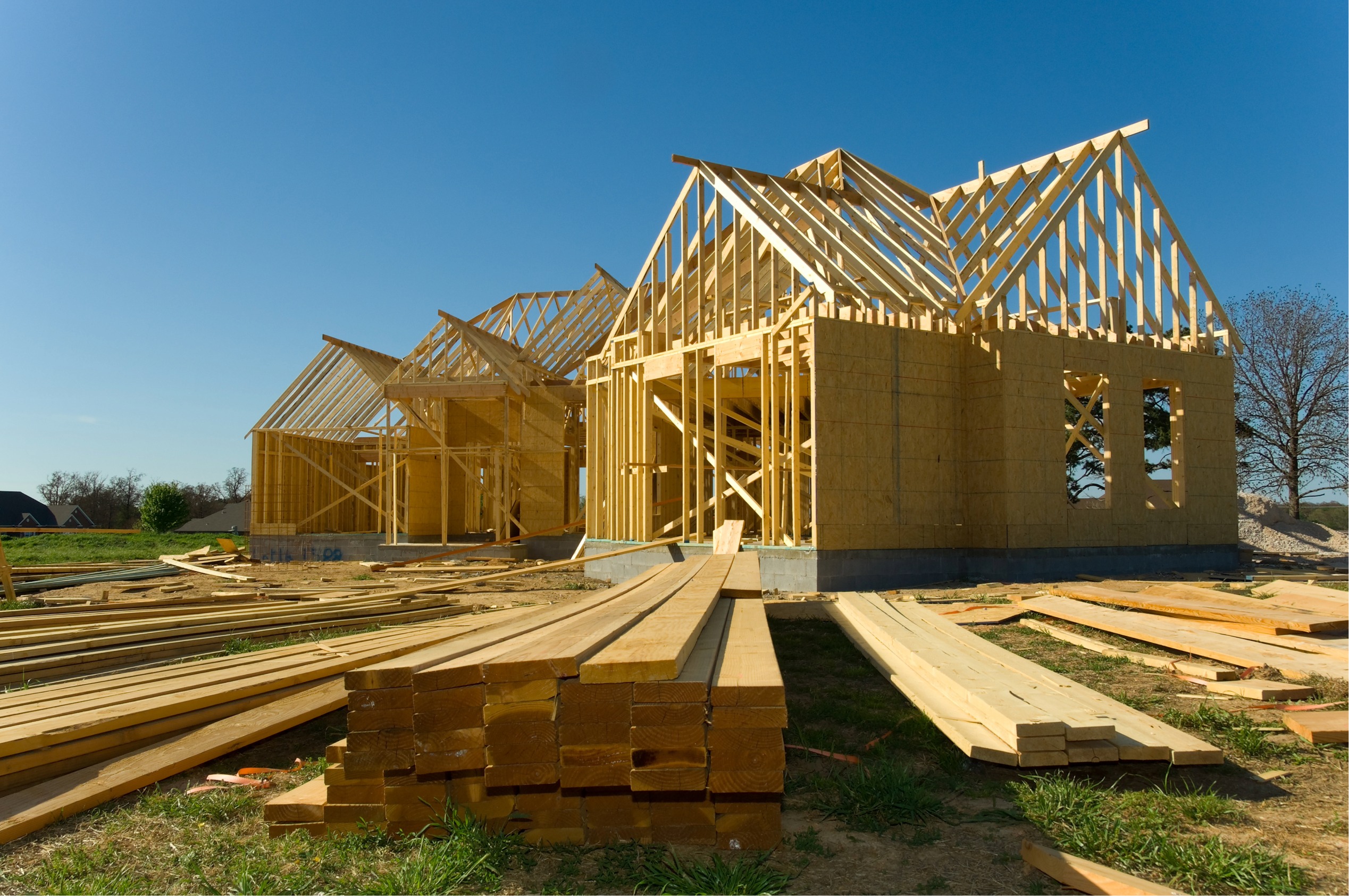
Florida’s Residential Construction Market – October 2025

Florida’s residential construction sector demonstrated steady performance in October 2025, with notable differences in permit volume, project valuation, and regional market dynamics across the state’s five principal metropolitan areas. According to HBW’s latest construction data reports, a total of 6,125 new residential construction permits were issued statewide, representing an aggregate construction value of approximately $2.01 billion. Today, we will use HBW’s reports to analyze and review regional performance metrics, highlighting key counties driving activity and offering insight into the evolving residential development landscape.

Southwest Florida:

Southwest Florida emerged as a volume leader and the most active region in terms of permit issuance, recording 2,123 new residential permits with a cumulative construction value of $608.4 million. The average construction value per permit stood at $286,572, reflecting a balanced mix of mid-range and upscale residential developments. When looking at the latest data from a county perspective, two counties stood out in terms of volume:

  • Manatee County led the region with 796 permits totaling $209.1 million.
  • Lee County followed closely, issuing 640 permits valued at $154.3 million.

Tampa:

The Tampa region reported 1,918 permits with a total construction value of $632.5 million, yielding an impressive average value of $329,778 per unit. This figure suggests a strong presence of higher-end single-family homes and custom builds. Out of the counties that make up the area, more than half of all new permits originated from the following:

  • Pasco County issued 520 permits valued at $197.3 million.
  • Polk County was nearly on par, with 562 permits totaling $196.2 million, perhaps driven by its affordability and strategic location between Tampa and Orlando.

Jacksonville:

Jacksonville’s residential construction market posted 757 permits with a total value of $204 million, translating to an average project value of $269,461. While the volume was lower relative to most other Florida regions reviewed, the area continues to benefit from steady population inflows and infrastructure investment. From a county perspective, the bulk of all new permits originated from the following:

  • Duval County accounted for 274 permits and $48.7 million in value, reflecting urban infill and redevelopment trends.
  • St. Johns County, known for its high-quality school districts and planned communities, issued 216 permits valued at $60.6 million.

Orlando:

Orlando recorded 697 permits with a total construction value of $285.3 million, resulting in a notably high average value of $409,319. This suggests a concentration of luxury and semi-custom homebuilding activity, particularly in suburban and exurban zones. Out of the six counties that make up the area, the following carried well more than half of all new home construction activity:

  • Orange County issued 183 permits totaling $75.8 million.
  • Brevard County led the region in volume with 244 permits and a valuation of $106.9 million, driven by coastal demand.

Southeast Florida:

Southeast Florida, while posting the lowest permit volume at 630, registered the highest average construction value at $437,918, with a total valuation of approximately $275.9 million. This underscores the region’s premium market positioning and scarcity of available land for development. Out of the six counties that make up the area, the following carried the bulk of new residential construction for the month:

  • St. Lucie County led in volume with 245 permits valued at $73.6 million.
  • Palm Beach County, with 167 permits totaling $89 million, continues to attract high-net-worth buyers and luxury developers.

Statewide Summary

The data for October 2025 reveals a divided market. Regions like Tampa and Southwest Florida are leading in volume, while Southeast and Orlando command higher per-unit valuations. This divergence reflects broader demographic and economic trends, including migration patterns, land availability, and consumer preferences. As Florida continues to experience population growth and housing demand, regional construction trends will remain a critical barometer for developers, investors, and policymakers working within the Sunshine State.

To gain more information on the builders, homeowners and permits for the construction activity above, check out HBW for your copy of the latest construction data reports. To gain access to the HBW database and receive custom and detailed reports on the latest residential and commercial building activity in Florida, Georgia, Texas, Alabama, and Oklahoma, please contact HBW for details.
Florida’s Swimming Pool Construction Market: October 2025

Florida’s residential swimming pool construction market remained active in October 2025, with HBW reporting a total of 1,906 new pool permits added across the state. The latest construction data report, drawn from five key regions (Southwest, Southeast, Tampa, Orlando, and Jacksonville), offers a comprehensive snapshot of market dynamics, including permit volumes, construction values, and regional trends. While overall activity reflects steady demand, regional disparities in average project value and permit concentration reveal important insights for builders, developers, and market analysts.

Southwest Florida: Leading in Volume and Value

The Southwest region continues to dominate Florida’s pool construction landscape, both in terms of volume and total investment. In October, the region recorded:

  • Total Permits: 688
  • Total Construction Value: $57,535,869
  • Average Value per Permit: $83,628

The counties of Sarasota (199 permits), Lee (199 permits), and Collier (123 permits) were the primary drivers of this activity, each contributing significantly to the regional total. The high volume, combined with a strong average value, underscores the region’s sustained growth in mid-to-high-end residential development. Builders operating in this market are likely benefiting from a combination of population growth, favorable climate, and a strong demand for outdoor luxury amenities.

Southeast Florida: High Activity, Lower Average Value

Southeast Florida followed with 396 new permits and a total construction value of $29,486,447. However, the region posted the lowest average value per permit statewide at $74,461, suggesting a higher concentration of standard or mid-range pool installations.

This trend may reflect a more competitive pricing environment or a shift toward smaller-scale projects in densely populated urban areas.

Tampa Area: Balanced Growth with Competitive Values

The Tampa region reported 367 new permits in October, with a total construction value of $29,405,759 and an average value of $80,125 per permit. This places Tampa in the mid-range for both volume and valuation.

The region’s balanced performance suggests a healthy mix of project types, from entry-level pools to more customized installations. The consistent demand across multiple counties indicates a stable and diversified market.

Orlando/Central Florida: Moderate Volume, Competitive Valuation

Orlando and surrounding Central Florida counties contributed 292 new permits, totaling $22,899,914 in construction value. The average value per permit was $78,424, which is lower on the spectrum than most other regions reviewed.

This region’s performance reflects steady suburban growth and a steady demand for residential amenities. Builders in the area may benefit from targeting family-oriented communities and new housing developments.

Jacksonville: Fewer Permits, Highest Average Value

Although Jacksonville recorded the lowest number of permits statewide at 163, it stood out with the highest average construction value at $107,349. The total value of new pool construction reached $17,497,935 for the one-month period.

The data suggests a focus on premium, high-end pool installations, likely tied to luxury home construction and affluent suburban developments. Builders in this market may find success by specializing in custom, design-intensive projects.

Statewide Overview

  • Highest Permit Volume: Southwest Florida (688 permits)
  • Highest Average Value: Jacksonville ($107,349)
  • Lowest Average Value: Southeast Florida ($74,461)

The October 2025 data highlights the importance of regional strategy in Florida’s swimming pool construction sector. While some markets thrive on volume, others are driven by high-value, bespoke installations. For construction professionals, aligning services with regional demand profiles, whether through scalable operations or luxury customization, will be key to capturing market share and sustaining growth in the months ahead.

To gain more information on the builders, homeowners and permits for the construction activity above, check out HBW for your copy of the latest construction data reports. To gain access to the HBW database and receive custom and detailed reports on the latest residential and commercial building activity in Florida, Georgia, Texas, Alabama, and Oklahoma, please contact HBW for details.

Texas Residential Construction Trends Through Q3 2025

According to HBW’s latest Building Activity Trend Report, new residential construction in Texas has seen a modest contraction through the third quarter of 2025, with 60,129 new residential construction permits added to the HBW database—a 2% year-over-year decline compared to the same period in 2024. While this dip may initially suggest a cooling in the market, a broader historical lens reveals a more nuanced narrative. Following a 16% year-over-year decline in 2023 and a subsequent 10% rebound in 2024, the current marginal decrease may be less indicative of a downturn and more reflective of a market normalization or reversion to the mean after a period of volatility. This type of movement is often interpreted by analysts as a stabilization phase, where the market is recalibrating after a surge, rather than entering a contractionary cycle.

Regionally, Houston continues to dominate in volume, accounting for nearly half of the statewide activity with 28,951 new permits issued through Q3. However, this figure represents a 5% year-to-date decline, suggesting a deceleration in what has historically been the state’s most robust residential construction hub. Within the Houston metro, Harris County led with 13,199 permits, followed by Montgomery County with 8,739—both counties remaining central to the region’s residential development pipeline.

In contrast, the Dallas-Fort Worth metroplex emerged as the only major market to post year-over-year growth so far this year, with 19,951 new permits reflecting a 7% increase over 2024. This uptick is particularly noteworthy given the broader statewide trend and may signal localized demand drivers such as population inflows, employment growth, or favorable development conditions. Collin County led the Dallas area with 7,127 permits, while Tarrant County posted 4,925 permits and an impressive 87% year-to-date increase—an anomaly that underscores the dynamic nature of submarket performance and the importance of granular geographic analysis in forecasting.

Austin followed with 5,960 new permits, reflecting a negligible 1% year-over-year decrease. This marginal shift, especially when juxtaposed with the 7% increase recorded through Q3 2024, suggests a plateauing of activity rather than a downturn. Travis County, with 2,754 permits and a 4% increase, and Williamson County, with 2,161 permits and year-over-year consistency, both exemplify a market that appears to be settling into a sustainable rhythm.

San Antonio, however, experienced the steepest decline among the four metros, with 5,267 permits issued so far this year—a 14% drop from the same period last year. Bexar County remained the epicenter of activity with 3,426 permits, but the overall contraction may point to shifting market fundamentals or cyclical adjustments in builder sentiment and land acquisition strategies.

Taken together, the data through Q3 2025 paints a picture of a Texas residential construction market that is neither overheating nor collapsing, but rather undergoing a seemingly measured correction. The modest statewide decline, when contextualized against the volatility of prior years, suggests a market in transition—potentially moving toward equilibrium. For builders, developers, and investors, this environment calls for strategic positioning, with a focus on submarkets demonstrating resilience and growth potential, such as Tarrant County in Dallas or perhaps Travis County in Austin. As the fourth quarter unfolds, stakeholders will be closely monitoring permit activity for signs of momentum or further moderation, with an eye toward aligning operational decisions with evolving demand patterns and macroeconomic indicators.

While quarterly reports like HBW’s Q3 2025 Building Activity Trend Report offer valuable insight into short-term market dynamics, it is essential to recognize their role as temporal snapshots rather than definitive assessments of broader market health. These reports capture a moment in time—highlighting trends, fluctuations, and anomalies—but they must be contextualized within a larger framework to yield actionable intelligence. For construction professionals, developers, and market analysts, relying solely on quarterly data can lead to reactive decision-making. Instead, strategic planning demands a more comprehensive approach that incorporates HBW’s monthly construction data reports, annual summaries, and historical archives. Using such resources collectively provides the broader analytical context necessary to identify cyclical patterns, assess regional resilience, and anticipate future demand. By triangulating data across multiple reporting intervals, industry stakeholders can move beyond surface-level trends and develop informed, forward-looking strategies that align with both market realities and long-term business objectives.

To gain more information on the builders, homeowners and permits for the construction activity above, check out HBW for your copy of the latest construction data reports. To gain access to the HBW database and receive custom and detailed reports on the latest residential and commercial building activity in Florida, Georgia, Texas, Alabama, and Oklahoma, please contact HBW for details.
Florida Swimming Pool Construction Shows Signs of Recovery Through Q3 2025

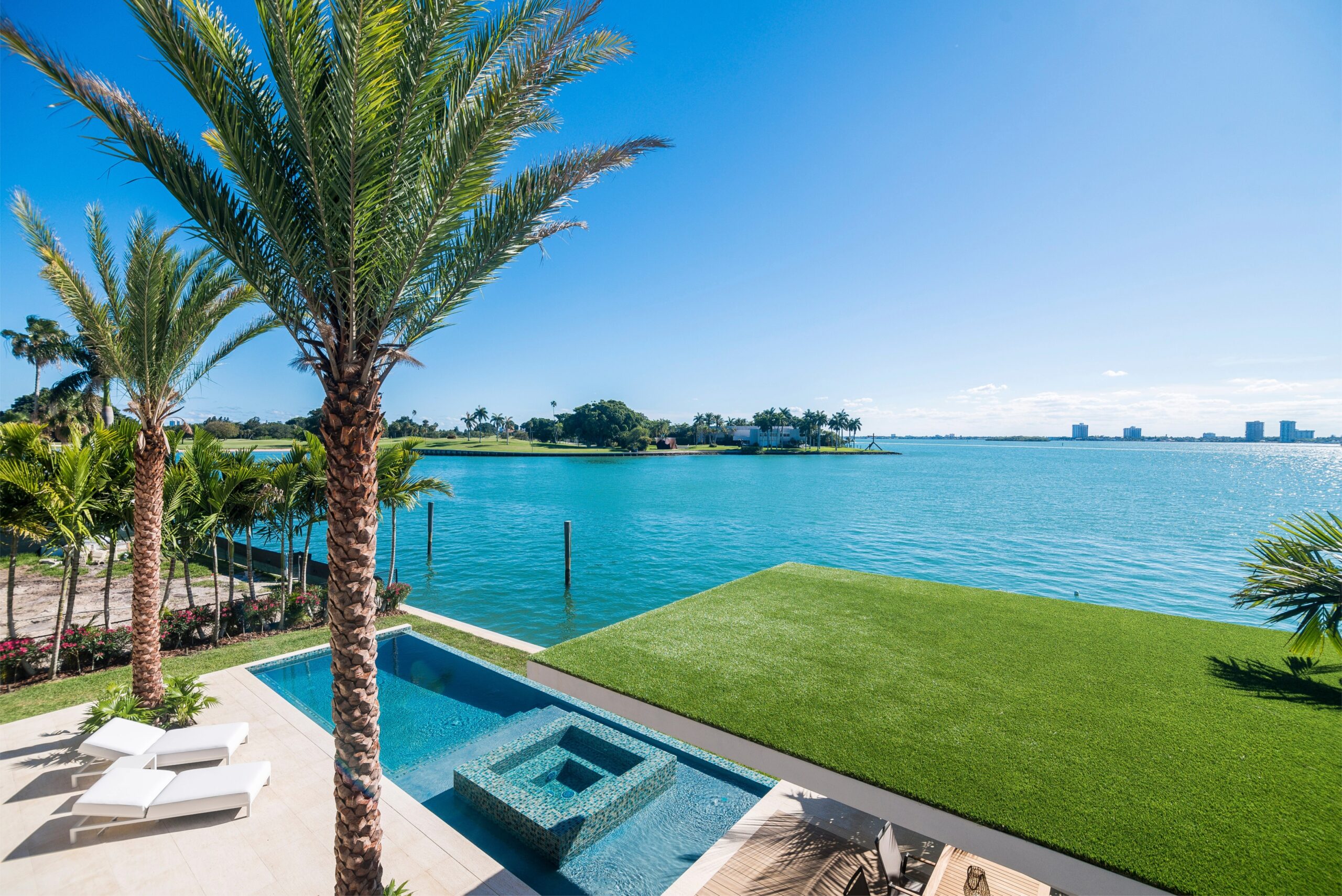
According to HBW’s latest Construction Activity Trend Report for Florida swimming pool construction, the market may be turning a corner after three consecutive years of decline. Through the third quarter of 2025, a total of 22,235 new swimming pool construction permits have been added to the HBW database, reflecting a 4% year-over-year increase compared to Q3 2024. While modest, this uptick signals a potential rebound and renewed consumer confidence in residential investment.

To contextualize the current growth:

  • 2022 saw a -6% year-to-date decline in permits.
  • 2023 experienced a sharper -22% contraction.
  • 2024 continued the downward trend with a -10% year-over-year drop.

Against this backdrop, the 4% increase in 2025—though not dramatic—suggests the market may be stabilizing and entering a recovery phase. For builders, suppliers, and subcontractors, this could indicate a shift in demand dynamics and an opportunity to recalibrate operations and marketing strategies.

HBW’s report breaks down permit activity across six major regions, revealing varied performance:

Southwest Florida continues to lead the state in total swimming pool construction volume through the third quarter of 2025, although it experienced a slight year-over-year decline. In contrast, Southeast Florida has emerged as the strongest growth region, posting a 16% increase in permits, fueled by heightened activity in key counties including Miami-Dade and St. Lucie. West Florida also demonstrated solid momentum with a 12% year-over-year rise, bolstered by significant surges in Pasco and Sumter counties.

County-Level Highlights:

Several counties demonstrated significant permit activity and growth momentum; the breakdown is as follows:

Top Counties by Permit Volume

  • Lee County (SW): 1,943 permits +7% Y/Y
  • Palm Beach County (SE): 1,521 permits -2% Y/Y
  • Sarasota County (SW): 1,323 permits 0% Y/Y
  • Miami-Dade County (SE): 1,237 permits +29% Y/Y
  • Collier County (SW): 1,124 permits -13% Y/Y
  • Manatee County (SW): 1,096 permits -9% Y/Y
  • Hillsborough County (W): 1,084 permits -9% Y/Y

Counties with High Growth Rates

  • Pasco County (W): 872 permits +107% Y/Y
  • St. Lucie County (SE): 585 permits +31% Y/Y
  • Sumter County (W): 637 permits +16% Y/Y
  • Bay County (NW): 392 permits +13% Y/Y

The regions with higher gains and levels of growth may reflect emerging residential development corridors, increased consumer demand for outdoor amenities, or favorable permitting environments. For contractors and developers, monitoring and eventually targeting counties with consistent growth patterns could yield higher ROI and strategic expansion opportunities.

Overall, the latest data suggests several actionable insights:

  • Diversify regional operations: Firms heavily concentrated in declining counties may consider expanding into high-growth areas.
  • Monitor permitting trends: Year-over-year permit activity is a leading indicator of future construction volume and resource allocation needs. Keep an eye out for upcoming annual reports, as well as utilize archived reports to identify established patterns versus standard or seasonal fluctuations.
  • Leverage market momentum: With signs of recovery, it may be a good time to look into possible investments in marketing, workforce development, and/or supply chain optimization.

While Florida’s swimming pool construction market is not yet booming, the 4% year-over-year increase in permits through Q3 2025 marks a meaningful shift from the contraction of previous years. Regional and county-level data reveal pockets of strong growth that industry professionals may use to their advantage. As the market continues to evolve, staying informed and agile will be key to navigating and being successful in the next phases of Florida’s construction landscape.

To gain more information on the builders, homeowners and permits for the construction activity above, check out HBW for your copy of the latest construction data reports. To gain access to the HBW database and receive custom and detailed reports on the latest residential and commercial building activity in Florida, Georgia, Texas, Alabama, and Oklahoma, please contact HBW for details.

Texas Swimming Pool Construction Trends – Q3 2025

According to HBW’s latest swimming pool construction activity trend report, Texas recorded a total of 5,142 new swimming pool construction permits through the third quarter of 2025. This figure marks an 11% year-over-year decline compared to Q3 2024. While the downward trajectory continues, the rate of decline appears to be moderating: The market experienced a 31% drop in 2023, followed by an 18% decrease in 2024, and now an 11% contraction so far in 2025. This deceleration suggests that the market could be potentially approaching a stabilization phase.

To gain a better understanding of regional dynamics, here is a brief breakdown of the four major metropolitan areas of Texas (Dallas, Houston, Austin, and San Antonio):

Metro AreaPermits (Q3 2025)YoY Change
Dallas2,250-6%
Houston1,683-8%
Austin727-25%
San Antonio482-18%

As noted in the above listed table, Dallas continues to dominate the Texas pool construction market, accounting for nearly 44% of all new permits statewide. Despite a modest 6% year-to-date decline, the region remains a stronghold for residential pool development. Houston follows with 1,683 permits, reflecting an 8% year-over-year decrease, indicating a slightly sharper contraction than Dallas. Austin experienced the steepest decline among the major metros, with a 25% year-over-year drop so far this year, suggesting potential market saturation or shifting consumer priorities in the region. And finally, San Antonio carried the lowest volume of new pool construction with 482 new permits through Q3, reflecting an 18% year-over-year decrease.

County Highlights

Drilling down into county-level data reveals nuanced trends that can inform strategic planning for builders and suppliers:

CountyPermits (Q3 2025)YoY Change
Harris (Houston)1,142-5%
Dallas (Dallas)574>-25%
Travis (Austin)569>-26%
Collin (Dallas)500-4%
Denton (Dallas)451+23%
Montgomery (Houston)193+16%

As noted in the table above, Harris County stands out with the highest volume of new swimming pool permits (1,142 through Q3 2025), underscoring Houston’s continued relevance as a major market despite broader metro-level declines. In contrast, while both counties of Dallas (574 permits) and Travis (569 permits) held higher volumes of new permits, they experienced significant contractions, each posting year-over-year declines exceeding 25%; this mirrors the overall downward trend in their respective metropolitan areas of Dallas and Austin. Meanwhile, Collin County (500 permits) in the Dallas area demonstrated relative stability, with only a 4% decline in permits, suggesting a more resilient local market. Notably, Denton County (451 permits) in the Dallas area emerged as a growth leader, recording a 23% year-over-year increase in new permits, a trend that may reflect heightened residential development or a shift in consumer preferences. Similarly, Montgomery County exhibited encouraging signs of expansion, with a 16% uptick in permit activity, reinforcing the presence of growth pockets within the broader Houston region.

For construction professionals, pool builders, and suppliers, the latest trends in swimming pool permit activity offer valuable insights into shifting regional demand, market saturation levels, and emerging growth opportunities. The statewide deceleration in year-over-year decline suggests that the market may be approaching a correction point, potentially signaling an inflection moment for strategic investment. Notably, suburban counties such as Denton and Montgomery are exhibiting signs of expansion, likely influenced by factors such as population migration, housing affordability, and evolving lifestyle preferences. In response to such developments, builders who engage in ongoing market monitoring may find it advantageous to reallocate resources or broaden their operational footprint into growth-positive areas. Furthermore, the data highlights the importance of granular market intelligence, as county-level permit trends often reveal localized dynamics that broader metropolitan statistics may overlook.

HBW’s Q3 2025 report provides a valuable lens into the evolving landscape of swimming pool construction across Texas. While the overall market continues to contract, the rate of decline appears to be easing, and select counties have displayed signs of growth, which may offer strategic opportunities for industry stakeholders in the future.

To gain more information on the builders, homeowners and permits for the construction activity above, check out HBW for your copy of the latest construction data reports. To gain access to the HBW database and receive custom and detailed reports on the latest residential and commercial building activity in Florida, Georgia, Texas, Alabama, and Oklahoma, please contact HBW for details.
Florida’s Residential Construction Market Through Q3 2025

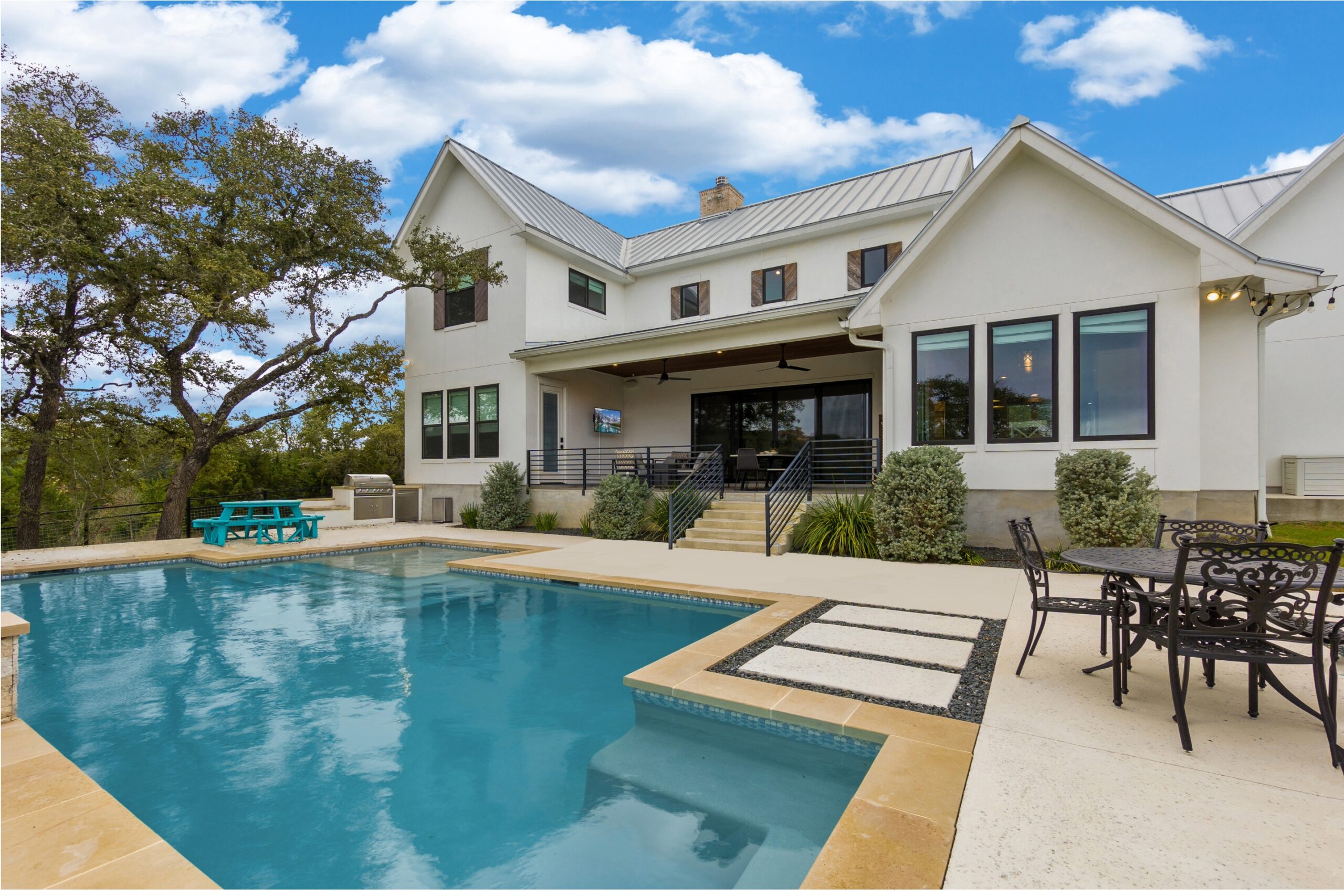
Florida’s residential construction landscape continues to evolve in 2025, with HBW’s latest Building Activity Trend Report offering a comprehensive snapshot of permitting activity across six major regions through the third quarter. While the statewide total of 79,044 new residential construction permits reflects a 6% year-over-year decline, the nuances within regional and county-level data reveal a more complex and instructive narrative.

Statewide Trends:

The 6% statewide decrease in new residential permits through Q3 2025 may initially suggest a softening market. However, when contextualized against prior years—2022’s 5% decline, 2023’s sharper 14% drop, and 2024’s flat performance—the current figure appears less alarming. It may indicate a market in transition rather than contraction. With one quarter remaining, this modest decline could either stabilize or reverse, depending on factors such as interest rates, labor availability, and consumer confidence.

Regional Performance:

West Florida leads the state in total permits, marking a notable 11% increase in comparison to Q3 2024. This uptick is particularly significant given the region’s three-year downward trajectory, reversing prior declines of 4% (2022), 12% (2023), and 12% (2024). The resurgence may signal renewed developer confidence or improved market fundamentals. Southwest Florida and Northeast Florida both experienced double-digit declines, with Northeast Florida’s 26% drop being the most pronounced; such figures may reflect saturation in certain submarkets or shifting demand patterns. Central Florida posted a healthy 8% year-over-year increase, suggesting steady growth and resilience in the face of broader statewide headwinds.

County-Level Highlights

While regional data provides a macro view, county-level analysis uncovers micro-markets that are outperforming or stabilizing.

Counties with Notable Growth:

  • Pasco County (West Florida): 5,408 permits, +70% YoY — a standout performer, likely driven by infrastructure expansion and affordability.
  • Osceola County (Central Florida): 2,088 permits, +30% YoY — indicative of strong demand in Orlando’s commuter belt.
  • Sumter County (West Florida): 3,244 permits, +23% YoY — benefiting from active adult and retirement community development.
  • Lake County (Central Florida): ~2,600 permits, +9% YoY — steady growth in suburban corridors.
  • Miami-Dade County (Southeast Florida): 1,522 permits, +35% YoY — an uptick in a traditionally high-cost market.

Counties with Declines (but High Volume):

  • Polk County (West Florida): 5,586 permits, −21% YoY | Although higher volume, the decline suggests possible cooling demand or permit delays.
  • Marion County (Northeast Florida): 4,011 permits, −19% YoY
  • Manatee County (Southwest Florida): 3,518 permits, −22% YoY
  • Duval County (Northeast Florida): 3,040 permits, −22% YoY | The decline reflects a significant drop in Jacksonville’s core.
  • Hillsborough County (West Florida): 3,395 permits, −1% YoY | Hillsborough is proving to be a stable market so far this year, with minimal fluctuation.
  • Lee County (Southwest Florida): 7,085 permits, −1% YoY | Lee County is maintaining high volume despite slight contraction.

Third-quarter data can serve as a bellwether for annual performance, especially in Florida’s climate-sensitive construction cycle. With Q3 behind us, the 6% statewide decline may not be definitive. Several counties are exhibiting strong momentum, and West Florida’s rebound could buoy year-end figures. However, declines in key regions like Northeast and Southwest Florida suggest that structural challenges may remain.

Overall, Florida’s residential construction market through Q3 2025 presents a nuanced picture. While the statewide decline may raise eyebrows, the underlying data reveals pockets of robust growth and signs of recovery in previously lagging regions. As the final quarter unfolds, stakeholders should remain agile, leveraging granular insights to make informed decisions in a dynamic environment that presents both promising opportunities and evolving conditions.

To gain more information on the builders, homeowners and permits for the construction activity above, check out HBW for your copy of the latest construction data reports. To gain access to the HBW database and receive custom and detailed reports on the latest residential and commercial building activity in Florida, Georgia, Texas, Alabama, and Oklahoma, please contact HBW for details.

Texas Top Home Builders – September 2025

Last month, the residential construction market in the Lone Star State demonstrated robust activity across its four major metro areas—Houston, Dallas, Austin, and San Antonio. According to HBW’s latest construction data reports, a total of 6,939 new residential construction permits were issued statewide, representing approximately $2.35 billion in total construction value. This snapshot offers valuable insight into regional market dynamics, builder performance, and permit volume trends that can inform strategic planning for developers, suppliers, and investors.

Given the distinct levels of activity across each region, it is essential to examine the data through a localized lens. For this reason, here is a quick view of the top-performing home builders in each of the four major metro areas of Texas during the month of September:

Houston: Leading the State in Volume

Houston continues to dominate Texas’ residential construction landscape, accounting for more than half of the state’s total permits in September.

  • Total Permits: 3,611
  • Active Builders: ~370

Top Builders by Permit Volume:

  • Lennar Homes: 744 permits | Avg. Value: $238,766
  • D.R. Horton: 561 permits | Avg. Value: $272,404
  • Perry Homes: 199 permits | Avg. Value: $331,977
  • Westin Homes: 109 permits | Avg. Value: $266,366
  • KB Homes: 97 permits | Avg. Value: $248,743

Houston’s high permit volume reflects strong demand and a competitive builder landscape. Lennar and D.R. Horton continue to lead in production-scale development, while Perry Homes appears to maintain a foothold in higher-value segments.

Dallas: Balancing Volume and Value

Dallas recorded 2,263 new permits in September, supported by nearly 350 active builders. The region shows a balanced mix of volume and elevated construction values.

Top Builders by Permit Volume:

  • Lennar Homes: 254 permits | Avg. Value: $317,351
  • D.R. Horton: 185 permits | Avg. Value: $299,437
  • Trophy Signature Homes: 87 permits | Avg. Value: $371,157
  • First Texas Homes: 78 permits | Avg. Value: $463,338
  • M/I Homes: 72 permits | Avg. Value: $412,917

Dallas builders are trending toward mid-to-upper tier residential products, with First Texas Homes and M/I Homes pushing average values well above $400K.

Austin:

Austin’s residential market remains smaller in volume but competitive in value, with 600 permits issued by 70 active contractors.

Top Builders by Permit Volume:

  • D.R. Horton: 67 permits | Avg. Value: $320,425
  • Lennar Homes: 49 permits | Avg. Value: $248,716
  • Starlight Homes Texas: 48 permits | Avg. Value: $334,761
  • M/I Homes: 37 permits | Avg. Value: $294,886
  • The Brohn Group: 34 permits | Avg. Value: $159,412

Austin’s market favors a blend of entry-level and mid-market homes, with D.R. Horton and Starlight Homes leading in volume and value.

San Antonio:

San Antonio issued 465 permits in September, with approximately 80 builders contributing to the activity during the one-month period.

Top Builders by Permit Volume:

  • Lennar Homes: 102 permits | Avg. Value: $181,357
  • D.R. Horton: 51 permits | Avg. Value: $210,816
  • KB Homes: 28 permits | Avg. Value: $189,100
  • Continental Homes of Texas: 25 permits | Avg. Value: $153,465
  • Perry Homes: 23 permits | Avg. Value: $401,958

San Antonio’s market is characterized by affordability-driven development, with Lennar and D.R. Horton dominating the entry-level segment. Perry Homes stands out for its premium offerings for the month.

Market Takeaways

  • Lennar Homes emerged as the #1 top builder statewide, leading in all four metros with a combined total of 1,149 permits.
  • D.R. Horton followed closely with strong presence across all regions, totaling 864 permits.
  • Builders like Perry Homes, M/I Homes, and Trophy Signature Homes are carving out niches in higher-value segments.
  • Permit volume remains a key indicator of builder activity, while average construction value offers insight into product positioning and market segmentation.

As Texas continues to be a national leader in residential construction, tracking permit activity offers a real-time view into market momentum and builder strategy. September’s data confirms that volume leaders like Lennar and D.R. Horton remain dominant forces, while regional players continue to shape the evolving landscape of Texas homebuilding.

To gain more information on the builders, homeowners and permits for the construction activity above, check out HBW for your copy of the latest construction data reports. To gain access to the HBW database and receive custom and detailed reports on the latest residential and commercial building activity in Florida, Georgia, Texas, Alabama, and Oklahoma, please contact HBW for details.

Florida’s Top Home Builders – September 2025

Florida’s residential construction market showed steady strength in September 2025 (see previous post), with thousands of new building permits pulled across the state’s five major regions: Southwest Florida, Tampa, Orlando, Jacksonville, and Southeast Florida. According to HBW’s latest construction data—compiled from verified building permits—Lennar Homes, Pulte Homes, and D.R. Horton continue to lead the state’s residential landscape, while several regional builders made noteworthy showings in higher-value markets.

Southwest Florida

The Gulf Coast remains Florida’s volume leader, accounting for the highest number of new home permits statewide.

  • Lennar Homes took the top spot with 336 permits valued at more than $81.9 million (average $244K per home).
  • Pulte Homes followed with 231 permits at an average of approximately $210K.
  • Neal Communities, D.R. Horton, and Taylor Morrison rounded out the top five.

Tampa

The Tampa area continued to balance high permit volume with climbing home values.

  • Lennar Homes held the lead for the month, pulling 320 permits valued at $119.6 million—an average of $374K per unit.
  • D.R. Horton ranked second with 201 permits, while Homes by West Bay stood out for its premium average value exceeding $514K.

Other notable builders for the month include Pulte Homes and The Villages of Lake Sumter as they had 92 and 75 new residential construction permits on record respectively.

Orlando

Central Florida maintained a strong mid-range performance.

  • Pulte Homes ranked first with 155 permits valued in excess of $50.2 million.
  • Lennar Homes (123 permits), D.R. Horton (86 permits), KB Homes (63 permits), and K. Hovnanian (49 permits) completed the top five, with K. Hovnanian reporting one of the higher average values at nearly $400K.

The Orlando market remains balanced—accessible in price but offering increasing opportunities for premium builds.

Southeast Florida

Southeast Florida’s market reflects lower volume but far higher unit values, consistent with the region’s concentration of coastal and luxury housing.

  • Lennar Homes led by volume with 111 permits, though its average value ($214K) trailed that of smaller competitors.
  • D.R. Horton ranked second with 43 permits and an average value of nearly $254K.
  • KH East Coastal FL Homes achieved the highest average value out of the top five builders in the region—$654K per project—on just 25 permits.
  • GL Building Corporation (28 permits) and Pulte Homes (31 permits) also posted strong luxury numbers.

This region caters to the custom-home and coastal market, requiring specialized trades and higher-end materials. For industry professionals, Southeast Florida offers fewer builds but greater complexity and margins.

Jacksonville

The Jacksonville area continued to offer new residents affordable options.

  • Lennar Homes led with 131 permits averaging $238K, followed by Dream Finders Construction (80 permits) and Pulte Homes (61 permits), both averaging around $255K–$310K.
  • D.R. Horton and Mattamy Homes rounded out the top five list having 50 and 45 new permits on record for the month respectively.

With average values well below those in South Florida, Jacksonville remains a cost-efficient market that favors builders and subcontractors specializing in streamlined production.

Statewide View

Several builders continue to dominate across multiple regions, giving them a commanding statewide presence:

  • Lennar Homes led by permit count in four regions (Southeast, Southwest, Tampa, Jacksonville), solidifying its position as Florida’s most active builder for September 2025.
  • Pulte Homes placed in the top five in all five regions, illustrating both depth and range.
  • D.R. Horton appeared in the top five in all regions as well, maintaining strong competitive momentum.

For subcontractors and suppliers, the multi-regional leaders represent opportunities for consistent pipelines, while regional specialists such as Neal Communities and KH East Coastal Florida Homes offer localized work.

Florida’s residential construction scene in September 2025 reflects both strength and segmentation. The dominance of Lennar, Pulte, and D.R. Horton underscores the power of scale, while regional firms show there is still room for specialization and design-driven differentiation. Whether your business thrives on quantity or craftsmanship, understanding where each builder is investing gives you the competitive edge to plan, partner, and grow.

To gain more information on the builders, homeowners and permits for the construction activity above, check out HBW for your copy of the latest construction data reports. To gain access to the HBW database and receive custom and detailed reports on the latest residential and commercial building activity in Florida, Georgia, Texas, Alabama, and Oklahoma, please contact HBW for details.